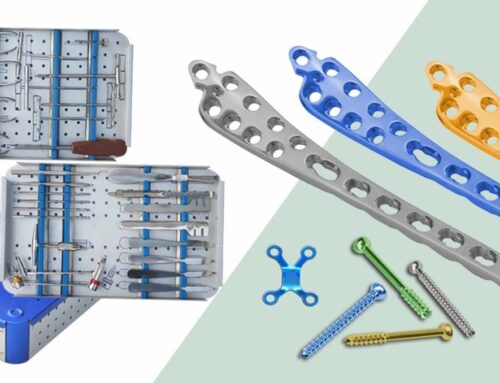
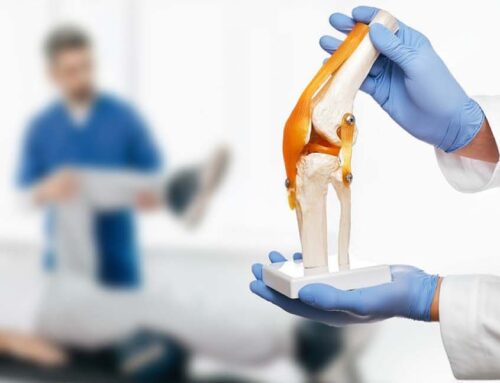
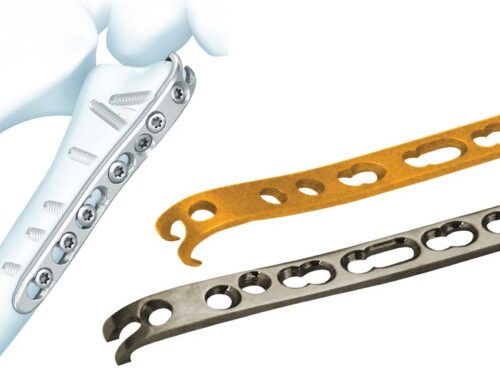
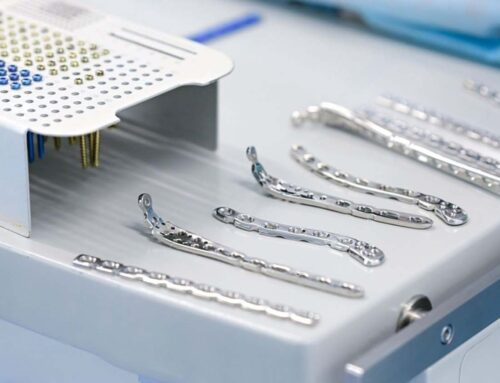
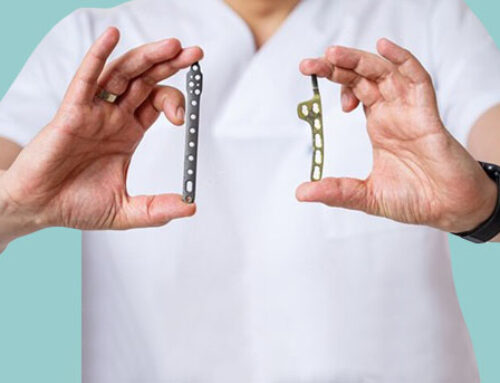
A Femur Nail Instrument Set is a specialized collection of orthopedic surgical instruments designed to facilitate the insertion, fixation, and removal of intramedullary (IM) nails in the femur bone. These nails are commonly used to treat femoral fractures, including diaphyseal fractures, subtrochanteric fractures, and some proximal or distal femoral fractures. The set provides all the necessary tools for precise alignment, stable fixation, and minimal surgical trauma, ensuring optimal fracture healing and restoration of limb function.
Intramedullary nailing is one of the most preferred methods for femur fracture stabilization because it offers early mobilization, strong biomechanical stability, and reduced healing time compared to traditional plating methods.
Purpose of the Femur Nail Instrument Set
The primary goal of this instrument set is to:
- Assist surgeons in accurately positioning the femur nail within the intramedullary canal.
- Allow secure locking of the nail with screws proximally and distally.
- Provide minimal soft tissue damage during insertion.
- Enable easy removal of the nail after fracture healing.
- Maintain sterility and precision during the entire surgical process.
Key Components of a Femur Nail Instrument Set
A standard femur nail instrument set includes several categories of instruments, each serving a specific role in the surgery.
Basic Instruments
- These are the essential orthopedic surgical tools used in almost all procedures:
- Scalpel handle and blades – for initial incision.
- Periosteal elevator – to separate periosteum from the bone.
- Bone awl – for making an entry point into the femoral canal.
- Mallet – to assist in driving instruments or implants.
Entry Point Instruments
- These help in accessing the intramedullary canal:
- Bone awl or cannulated awl – creates the initial hole for guidewire insertion.
- Entry reamer – enlarges the entry hole at the proximal femur.
- Guide rod/guidewire – a thin, flexible wire that guides the reamers and nail through the canal.
Reaming Instruments
Reaming prepares the medullary canal to the appropriate diameter for nail insertion:
- Cannulated flexible reamers – available in incremental sizes (e.g., 8 mm to 15 mm).
- Reamer handles and shafts – connect to reaming heads and guidewire.
- T-handle for manual reaming – used in some cases without powered reamers.
Nail Insertion Instruments
These ensure accurate placement of the intramedullary nail:
- Proximal aiming arm or targeting device – aligns proximal locking screws.
- Nail holding forceps – to firmly grip the nail during insertion.
- Connecting bolt – attaches the nail to the insertion handle.
- Nail impactor – gently drives the nail into position.
Locking Instruments
These are for inserting locking screws into the nail:
- Drill sleeves and tissue protectors – prevent soft tissue injury during drilling.
- Drill bits – matched to the diameter of locking screws.
- Depth gauge – measures the exact length of locking screws.
- Screwdriver – for inserting and tightening locking screws.
- Proximal and distal targeting devices – assist in precise screw placement without fluoroscopic overexposure.
Extraction Instruments
These are used when removing the nail after fracture healing or in case of revision:
- Extraction rod – screws into the proximal end of the nail for removal.
- Slotted hammer – used in conjunction with extraction rod to pull out the nail.
- Universal extractor – adaptable for different nail designs.
Ancillary Instruments
- Measuring devices – for selecting correct nail length and diameter.
- Bone holding clamps – to maintain fracture alignment during procedure.
- Cleaning brushes – for maintaining instrument sterility and functionality.
Material and Quality Standards
High-quality Femur Nail Instrument Sets are manufactured from medical-grade stainless steel (e.g., SS 316L) to ensure:
- Corrosion resistance
- High tensile strength
- Biocompatibility
- Long service life under repeated sterilization
Many sets also have ergonomic handles, laser-etched markings, and modular designs for ease of use.
Types of Femur Nails Used with the Set
The instrument set is compatible with different nail designs, such as:
- Standard femoral nails – for midshaft fractures.
- Reconstruction nails – for fractures extending into the femoral neck or trochanter.
- Supracondylar nails – for distal femoral fractures.
- Antegrade nails – inserted from the proximal femur.
- Retrograde nails – inserted from the distal femur.
Each nail type may require specific targeting and insertion guides, so the set is often modular to accommodate various implant systems.
Surgical Procedure Overview Using Femur Nail Instrument Set
The steps generally include:
Patient Preparation & Positioning
- The patient is positioned on a fracture table or radiolucent table.
- Fluoroscopic control is set up for intraoperative imaging.
Incision & Entry Point Preparation
- Incision made near the greater trochanter (antegrade) or intercondylar notch (retrograde).
- Bone awl used to open medullary canal.
Guidewire Insertion
- Guidewire is passed through the fracture site under fluoroscopic guidance.
Reaming
- Sequential reaming enlarges the canal to accommodate the nail diameter.
Nail Insertion
- The femur nail is mounted on the insertion handle and gently impacted into position.
Locking Screw Placement
- Proximal and distal locking screws inserted using targeting devices.
Final Checks & Wound Closure
- Alignment, length, and fixation confirmed with fluoroscopy.
- Wound closed in layers.
Key Features of a High-Quality Femur Nail Instrument Set
- Modular targeting arms for different nail types.
- Precision alignment to reduce fluoroscopic time.
- Lightweight but sturdy design for surgeon comfort.
- Compatibility with multiple femoral nail sizes.
- Radiolucent targeting guides to enhance imaging.
- Autoclavable tray with well-organized layout for quick access.
Benefits of Using a Femur Nail Instrument Set
- Improved Surgical Accuracy – Ensures precise screw placement and nail positioning.
- Reduced Surgery Time – Streamlined instrumentation allows faster operation.
- Minimally Invasive – Smaller incisions and soft tissue protection reduce healing time.
- Enhanced Patient Outcomes – Stable fixation supports early mobilization.
- Long-Term Durability – Instruments withstand repeated sterilization without degradation.
- Cost-Effective – Reusable, high-quality instruments lower long-term costs.
Maintenance and Care
- Proper care extends the lifespan of the set:
- Thorough cleaning immediately after use to remove blood and tissue.
- Lubrication of moving parts to prevent stiffness.
- Inspection before sterilization to ensure all components function properly.
- Sterilization in autoclave according to manufacturer guidelines.
- Storage in a dry, secure place to prevent contamination.
Conclusion
A Femur Nail Instrument Set is an essential orthopedic toolkit for the surgical fixation of femoral fractures using intramedullary nails. Its precise, durable, and ergonomic instruments assist the surgeon in every step—from creating the entry point to inserting the nail and locking screws, and even removing the implant when needed. With advancements in orthopedic technology, modern femur nail sets are becoming more versatile, radiolucent, and minimally invasive, allowing for better patient outcomes and quicker recovery times.
By combining high-quality materials, precise engineering, and modular adaptability, the Femur Nail Instrument Set remains a cornerstone in modern trauma surgery, helping restore mobility and quality of life to patients with femoral fractures.