Variable Angle Locking Plate (VALP) systems have become a game-changer in modern orthopedic and trauma surgery. They offer enhanced flexibility, improved fixation, and better outcomes in the management of complex fractures. This guide explores everything you need to know about these innovative implants—from their structure and functionality to clinical applications and advantages.
Variable Angle Locking Plate systems are orthopedic implants designed to stabilize fractured bones while allowing surgeons to adjust the screw trajectory within a defined angular range. Unlike traditional fixed-angle plates, which limit the screw direction to a preset angle, variable angle systems provide greater surgical freedom by allowing screws to be inserted at various angles—usually ±15° to ±30°.
Key Components:
Locking Plate:
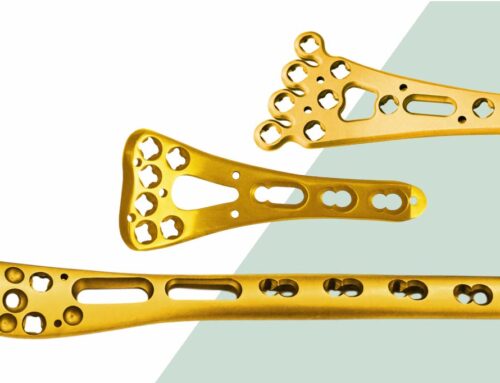
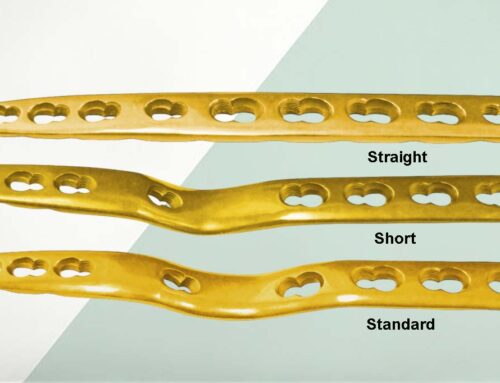
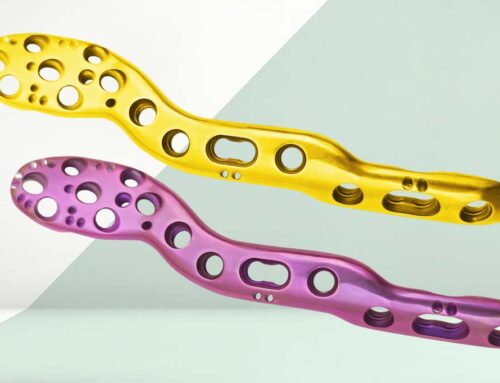
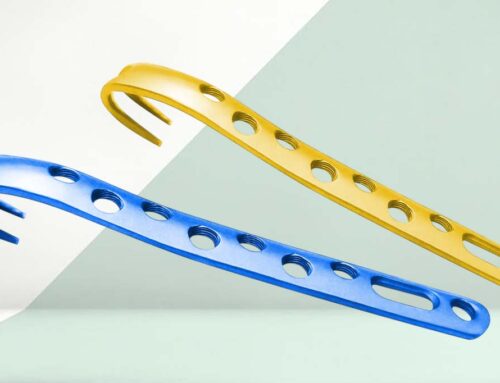
Locking plates are made from biocompatible materials such as titanium or stainless steel, the plate is contoured to fit specific bones (e.g., radius, tibia, humerus).
Variable Angle Locking Screws:
These screws feature specialized heads that thread into the plate holes and lock securely, even at variable insertion angles.
Polyaxial Locking Holes:
Specially engineered plate holes that accommodate angular insertion of screws without compromising mechanical strength.
Instrumentation Set:
Dedicated jigs, guides, and drills to assist the surgeon in achieving precise screw placement at the desired angle.
How Do They Work?
The locking mechanism in VALP systems involves a screw head that threads into the plate, forming a rigid, fixed-angle construct. The “variable angle” aspect comes from the plate’s design that allows for polyaxial insertion—typically within a conical range. This helps the surgeon to:
- Target specific fragments.
- Avoid critical structures like nerves and vessels.
- Optimize bone purchase in osteoporotic or comminuted bone.
Clinical Applications
Variable angle locking plate systems are widely used in:
- Distal radius fractures
- Proximal humerus fractures
- Distal femur fractures
- Pelvic and acetabular surgeries
- Periarticular and metaphyseal fracture
- Revisional fracture fixation or failed hardware
Key Advantages
Surgical Flexibility:
Enables angular adjustment of screws to adapt to complex anatomies and fracture patterns.
Improved Fixation:
Multi-directional screw options provide better hold in compromised bone (e.g., osteoporotic or comminuted areas).
Reduced Risk of Malalignment:
Helps avoid intra-articular penetration or impingement on adjacent structures.
Minimally Invasive Options:
Many VALP systems are compatible with percutaneous or minimally invasive surgical techniques.
Biomechanical Stability:
Locking construct creates a fixed-angle device, reducing micromotion and promoting better healing.
Limitations to Consider
While VALP systems offer numerous benefits, there are some limitations:
- Higher cost compared to conventional systems.
- Technical learning curve for optimal placement and angulation.
- Potential for over-angulation, leading to screw back-out or plate-screw mismatch if not done carefully.
Choosing the Right VALP System
When selecting a variable angle locking plate system, consider the following:
- Anatomical fit for the target bone.
- Angular range allowed by the system.
- Ease of instrumentation and surgical technique.
- Material properties (titanium vs. stainless steel).
- Proven clinical outcomes or surgeon preference.
Conclusion
Variable Angle Locking Plate Systems represent a significant advancement in orthopedic trauma care. Their ability to combine the mechanical benefits of fixed-angle constructs with the freedom of screw angulation offers a distinct edge in managing complex fractures. As technology and surgical techniques evolve, these systems will likely become even more refined, expanding their role in modern fracture fixation.