A prosthesis (plural: prostheses) is an artificial device designed to replace a missing body part, such as a limb, eye, or even internal organs. Prostheses help restore the function and appearance of the missing body part, improving the individual’s quality of life.
Types of Prostheses
Prostheses are classified based on the body part they replace and their level of functionality. Below is a detailed breakdown of different types of prostheses.
Limb Prostheses (External Prostheses)
These prostheses replace missing arms, hands, legs, or feet, restoring movement and function.
Upper Limb Prostheses (Arm, Hand, Fingers)
These prostheses replace part of or the entire upper limb.
Cosmetic (Passive) Prostheses
- Designed to look like a real hand or arm but do not provide movement.
- Made of silicone or rubber with realistic skin tone and texture.
- Pros: Improves appearance, lightweight, low maintenance.
- Cons: No functionality or movement.
Body-Powered Prostheses
- Uses cables and harnesses attached to the body.
- Movement of the shoulder or arm operates a hook or hand.
- Example: When the user moves their shoulder, the cable pulls open the prosthetic hand.
- Pros: Durable, does not require batteries, affordable.
- Cons: Less natural movement, requires physical effort.
Myoelectric (Bionic) Prostheses
- Uses electrodes to detect muscle signals and control movement.
- Allows grasping, pinching, and even independent finger movement.
- Example: A person flexes their forearm muscles, and the hand responds.
- Pros: More natural movement, no need for straps.
- Cons: Expensive, requires batteries, needs training.
Hybrid Prostheses
- Combination of body-powered and myoelectric technology.
- Provides greater control and flexibility in movement.
Lower Limb Prostheses (Leg, Foot, Knee, Toes)
These prostheses replace missing toes, feet, legs, or knees, helping with walking and mobility.
Foot Prostheses (Partial or Full Foot Replacement)
- Designed for toe amputations or full foot loss.
- Can be rigid or flexible based on mobility needs.
- Some have shock absorption and energy-return features for natural walking.
Below-the-Knee (Transtibial) Prostheses
- Replaces the leg below the knee, keeping the knee joint intact.
- Includes a prosthetic foot, pylon (supporting structure), and socket.
- Pros: Easier to adapt to, allows natural movement.
- Cons: Requires a secure fit to prevent discomfort.
Above-the-Knee (Transfemoral) Prostheses
- Includes an artificial knee joint in addition to the foot and pylon.
- More complex and harder to control than below-the-knee prostheses.
- Can be mechanical, hydraulic, or microprocessor-controlled.
Microprocessor-Controlled Knee Prostheses
- Uses sensors and AI to detect motion and adjust movement.
- Examples: C-Leg, Rheo Knee, Genium X3.
- Pros: Adapts to different walking speeds, provides balance.
- Cons: Expensive, requires charging.
Running Blades (Athletic Prostheses)
- Made of carbon fiber for speed and flexibility.
- Used in Paralympic sports and high-performance activities.
- Example: “Flex-Foot Cheetah” used by Paralympic athletes.
Internal Prostheses (Implants & Artificial Organs)
These prostheses are surgically implanted inside the body to replace damaged organs or joints.
Joint Replacements (Orthopedic Prostheses)
Used to replace damaged joints due to arthritis, injury, or degeneration.
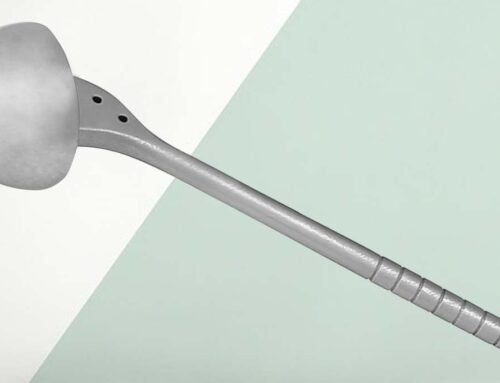
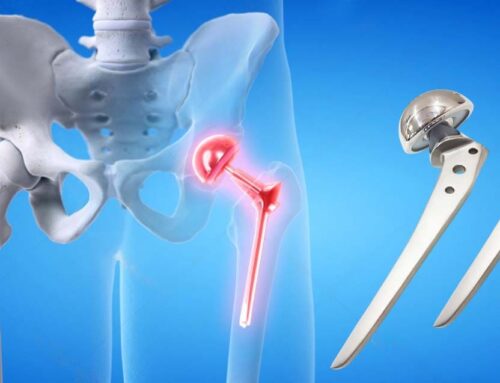
Hip Replacement
- Materials: Titanium, ceramic, polyethylene.
- Purpose: Restores mobility and reduces pain.
Knee Replacement
- Types: Partial or total knee replacement.
- Purpose: Improves joint function and reduces stiffness.
Shoulder & Elbow Replacements
- Used for severe arthritis or fractures.
Heart Prostheses (Cardiac Prostheses)
These devices assist or replace heart function.
Artificial Heart Valves
- Replaces damaged heart valves with mechanical or biological materials.
- Purpose: Ensures proper blood flow through the heart.
Total Artificial Heart (TAH)
- A mechanical heart replacement for severe heart failure.
- Example: SynCardia Total Artificial Heart.
Dental Prostheses
These prostheses replace missing teeth and restore oral function.
Dentures
- Removable artificial teeth used when multiple teeth are missing.
Dental Implants
- Permanent titanium screws inserted into the jawbone.
- Replaces individual teeth or supports bridges and dentures.
Crowns & Bridges
- Fixed artificial tooth structures to restore damaged or missing teeth.
Ocular (Eye) Prostheses
These replace missing or damaged eyes.
Cosmetic Eye Prostheses
- Artificial glass or acrylic eyes to replace a missing eye.
- Does not restore vision.
Bionic Eyes (Experimental)
- Uses electronic implants to restore some vision.
Example: Argus II Retinal Prosthesis.
Cochlear Implants (Hearing Prostheses)
- Electronic devices implanted in the inner ear.
- Purpose: Helps people with severe hearing loss.
Facial & Special Prostheses
Facial Prostheses
- Replaces missing ears, noses, or facial structures.
- Attached using medical adhesives, magnets, or implants.
Breast Prostheses
- Used after mastectomy (breast removal due to cancer).
- Can be external (silicone inserts) or internal (breast implants).
Penile Prostheses
Used for men with erectile dysfunction (ED).
Types:
- Inflatable Prostheses (Fluid-filled device that can be inflated).
- Malleable (Semi-Rigid) Prostheses (A bendable rod).
Advanced & Experimental Prostheses
3D-Printed Prostheses
- Affordable and customizable prostheses made using 3D printing.
- Great for children and people in low-income regions.
Bionic (Neuro-Controlled) Prostheses
- Uses brain signals to control movement.
- Some provide sensory feedback, allowing users to “feel” objects.
Exoskeletons (Wearable Robotic Prostheses)
- Helps people with paralysis or weakness walk again.
- Example: ReWalk, Ekso Bionics.
Benefits of Prostheses
Prostheses provide significant physical, psychological, and social benefits by helping individuals regain mobility, functionality, and confidence. Below is a detailed breakdown of the benefits of prosthetic devices.
Physical Benefits
Restores Mobility and Independence
- Prosthetic limbs allow individuals with amputations to walk, run, and perform daily activities.
- Lower limb prostheses, especially microprocessor-controlled knees, help with balance and stability.
- Advanced prosthetic arms enable fine motor skills like writing, grasping, and eating.
Enhances Functionality of Missing Limbs
- Myoelectric prosthetic arms allow users to control movement using muscle signals.
- Bionic hands offer precision grip, enabling tasks like typing and holding objects.
- Running blades and sports prostheses help athletes compete at high levels.
Reduces Physical Strain on Other Body Parts
- Prevents overuse and strain on the remaining limbs.
- Example: An individual with a below-the-knee amputation avoids excessive weight-bearing on the other leg, reducing joint pain and spinal misalignment.
Prevents Muscle Atrophy & Joint Stiffness
- Wearing a prosthesis encourages regular movement, preventing muscle loss in the residual limb.
- Helps maintain circulation and joint flexibility, reducing the risk of complications.
Improves Posture & Balance
- Well-fitted prostheses help distribute weight evenly, improving posture and preventing spinal curvature.
- Lower limb prosthetics with shock absorption reduce impact on the joints.
Enables Participation in Sports & Activities
- Specialized prostheses (e.g., running blades, swimming legs, adaptive climbing prostheses) enable individuals to engage in physical fitness and competitive sports.
- Organizations like the Paralympics provide opportunities for athletes with prosthetic limbs.
Psychological & Emotional Benefits
Boosts Self-Confidence & Self-Esteem
- Many amputees experience a loss of identity, but prostheses restore a sense of wholeness.
- A well-designed prosthetic limb can make users feel more confident in social settings.
Enhances Mental Well-Being
- Losing a limb or body part can lead to depression, anxiety, or PTSD.
- Prosthetic devices, along with physical therapy and rehabilitation, help individuals regain a sense of normalcy.
Reduces Dependence on Others
- Being able to walk independently, use hands, or perform self-care reduces reliance on caregivers and family.
- Increased independence leads to improved mental resilience.
Helps with Body Image Acceptance
- Cosmetic prostheses restore natural appearance, making users feel more comfortable.
- Some people embrace prosthetics as part of their identity and opt for custom designs (e.g., artistic or bionic-looking prostheses).
Social & Economic Benefits
Improves Employment Opportunities
- People with prosthetic limbs can return to work, pursue new careers, or engage in manual labor, office jobs, and even military service.
- Adaptive technologies allow individuals to work efficiently, regardless of limb loss.
Enhances Social Inclusion
- Prostheses help people reintegrate into society, education, and relationships without feeling isolated.
- Reduces stigma around amputations and disabilities.
Helps Children with Development & Play
- Pediatric prostheses enable children to walk, run, and interact with peers.
- Improves psychosocial development, making them feel included in activities.
Promotes a More Active Lifestyle
- Encourages individuals to participate in hobbies, travel, and recreational activities.
- Example: Adaptive prostheses allow people to engage in dancing, hiking, cycling, and rock climbing.
Health Benefits
Prevents Secondary Health Issues
- Reduces the risk of pressure sores, muscle imbalances, and poor circulation.
- Prevents back pain and joint damage caused by walking imbalances.
Supports Cardiovascular Health
- Staying physically active with a prosthesis helps maintain heart health and prevents obesity-related conditions.
- Active individuals with prostheses have lower risks of diabetes, high blood pressure, and cholesterol issues.
Reduces Phantom Limb Pain
- Some high-tech prostheses provide sensory feedback, reducing phantom limb pain (pain in the missing limb).
- Keeping the residual limb active can also decrease discomfort.
Improves Gait Efficiency
- Advanced prosthetic limbs (e.g., microprocessor-controlled knees, hydraulic ankles) allow for natural walking patterns, reducing energy consumption.
- Helps users walk longer distances without exhaustion.
Technological Advancements & Future Benefits
Brain-Controlled Prostheses (Neuroprosthetics)
- Directly controlled by thoughts, allowing natural movement.
- Future prostheses may offer full sensory feedback.
3D-Printed Prosthetics (Affordable & Customizable)
- Low-cost solutions for developing countries.
- Customized designs allow for a perfect fit.
Smart Prostheses with AI & Robotics
- Artificial intelligence helps predict movement patterns.
- Some prostheses can adjust walking speed and terrain automatically.
How Do Prostheses Work
Prostheses work by replacing missing body parts with artificial limbs or devices that help restore mobility, function, and appearance. They can be external (limbs, hands, feet) or internal (joints, heart valves, implants), and their functionality ranges from passive (cosmetic) to advanced bionic systems controlled by nerves or the brain.
How Limb Prostheses Work (Arms & Legs)
Limb prostheses function by mimicking the movement and support of a missing limb. They include several key components:
Key Parts of a Limb Prosthesis
| Component | Function |
| Socket` | The part that connects to the residual limb and holds the prosthesis securely. |
| Liner | Soft material inside the socket for comfort and cushioning. |
| Pylon (Support Structure) | Acts as the “bone” of the prosthesis, providing stability and structure. |
| Prosthetic Foot or Hand | Replaces the missing part and enables movement (walking, gripping). |
| Knee or Elbow Joint (if needed) | Allows bending and movement for above-knee or above-elbow amputees. |
| Control System | Can be body-powered, myoelectric (muscle-controlled), or computerized. |
Types of Control Systems
Body-Powered Prostheses
- Uses cables, harnesses, and body movement for control.
- Example: A hook-hand prosthesis opens and closes when the user moves their shoulder.
Myoelectric (Bionic) Prostheses
- Uses electrodes that detect muscle signals from the residual limb.
- Example: When the user thinks about closing their hand, the sensors activate motors that move the fingers.
Microprocessor-Controlled Prostheses
- Uses sensors and AI to adjust movement automatically.
- Example: A computerized knee adjusts to walking speed and terrain for a smoother gait.
Brain-Controlled (Neuroprosthetic) Limbs (Experimental)
- Uses brain signals to control movement.
- Example: A bionic arm moves when the user thinks about moving their hand.
How Internal Prostheses Work (Implants & Artificial Organs)
Internal prostheses are surgically implanted and function inside the body.
Joint Replacements (Hip, Knee, Shoulder, etc.)
- Titanium or ceramic implants replace worn-out joints.
- Artificial joints mimic natural movement, reducing pain and restoring function.
Heart Prostheses
- Artificial Heart Valves – Replace damaged heart valves to regulate blood flow.
- Total Artificial Heart (TAH) – Replaces a failing heart, powered by an external pump.
Cochlear Implants (Hearing Prostheses)
- Converts sound into electrical signals that stimulate the auditory nerve, helping people hear.
Bionic Eyes (Retinal Implants – Experimental)
- Uses a camera and brain implant to restore some vision for the blind.
How Prostheses Stay Attached to the Body
- Suction & Vacuum Systems – Uses air pressure to keep the prosthesis securely in place.
- Straps & Harnesses – Traditional method for body-powered prosthetics.
- Osseointegration (Bone Attachment) – The prosthesis is surgically attached to the bone for a permanent connection.
How Users Control & Adapt to Prostheses
- Physical Therapy & Training – Helps users learn to walk, run, grip objects, etc.
- Sensory Feedback (Advanced Prostheses) – Some modern prosthetics provide a sense of touch by sending signals to the nerves.
- AI & Robotics (Future Prosthetics) – Smart limbs that predict movement and adapt in real-time.
Conclusion
Prostheses restore mobility and function using advanced technology. From simple cosmetic limbs to AI-powered bionic arms, these devices continue to evolve, improving the lives of millions. Prostheses range from cosmetic devices to high-tech bionic limbs and internal implants. Prostheses provide life-changing benefits, improving mobility, confidence, health, and social inclusion. As technology advances, future prosthetic devices will continue to offer even greater functionality and integration with the human body. Prostheses range from simple cosmetic devices to high-tech bionic limbs. They can be external (limbs, eyes, dentures) or internal (heart valves, joint replacements)