What Are the Top Surgical Equipment Names from China?
China has become a significant source of surgical devices, operating-room systems, and supporting medical technologies. This guide examines notable surgical equipment names from China and explains what makes them credible in clinical settings. It focuses on manufacturers, product categories, and practical selection points rather than treating popularity as proof.
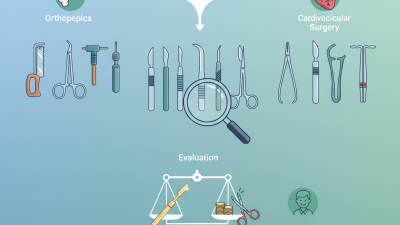
The discussion covers operating tables, surgical lights, electrosurgical units, anesthesia machines, endoscopy systems, sterilization equipment, and patient-monitoring devices. Each category requires different evidence. A surgical light should provide stable illumination, low heat, and smooth positioning. An operating table needs dependable movement, safe locking, and easy cleaning. These details matter during long procedures.
Reliable evaluation also considers regulatory approvals, quality-management systems, warranty terms, installation support, and spare-parts availability. Hospital engineers and surgeons often provide the most useful feedback. Their experience can reveal noise, maintenance delays, or interface problems that brochures rarely mention. Independent testing and documented clinical use deserve careful attention.
A polished brochure is not proof.
Some supplier information may change over time. Models can be revised, certifications can expire, and local service quality may differ between regions. Therefore, buyers should verify current documents with manufacturers and authorized distributors. Price alone can be misleading. A lower initial cost may create higher maintenance expenses later.
This introduction sets a practical framework for comparing Chinese surgical equipment names with greater confidence. It also recognizes an important limitation: no single ranking suits every hospital. Room size, surgical specialty, training resources, and national requirements can change the final decision.
Chinese Surgical Equipment Industry Overview
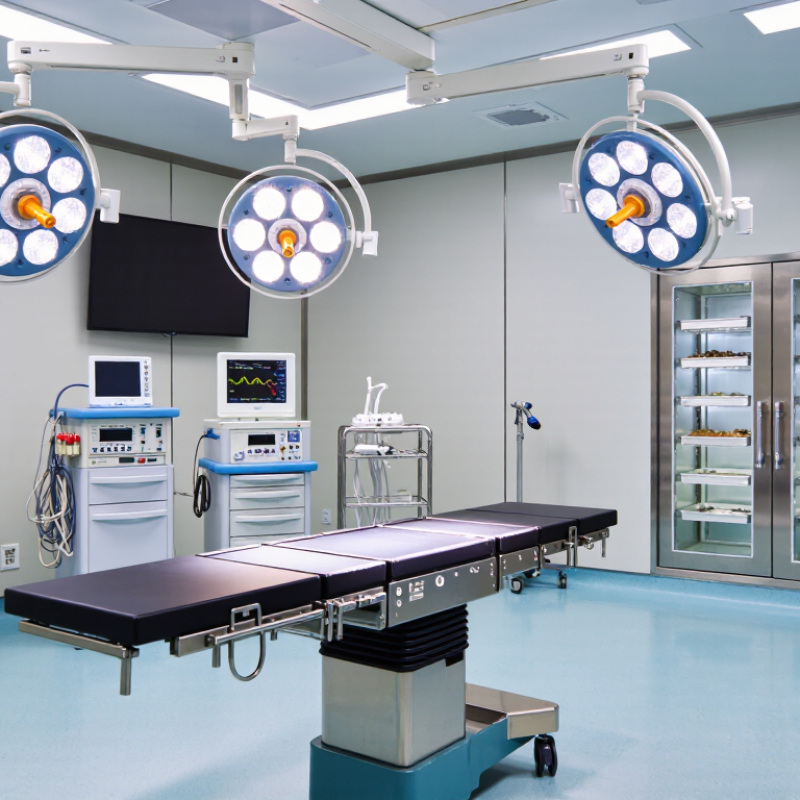
China’s surgical equipment industry covers a broad range of hospital needs. Common equipment names include operating tables, surgical lights, anesthesia machines, electrosurgical units, patient monitors, infusion pumps, and sterilization systems. Many manufacturers also produce orthopedic instruments, laparoscopic tools, surgical suction devices, and operating room accessories.
The industry has grown through large-scale manufacturing and improving engineering capabilities. Production usually involves stainless steel machining, electronic assembly, software control, and quality inspection. Hospitals and distributors often examine product registration, factory audits, electrical safety records, and after-sales service before purchasing. Clinical usability matters too. A bright surgical light is useful, but its shadow control, heat management, and adjustment range affect daily procedures.
The market is not perfectly uniform. Some suppliers provide detailed testing records, while others offer limited technical information. This difference deserves attention. A competitive price can hide training gaps, slow spare-part delivery, or inconsistent documentation. Buyers should compare sterilization compatibility, alarm accuracy, maintenance intervals, and warranty terms. Local service teams can be as important as equipment performance. In practice, a reliable supplier should explain limitations clearly, not only present polished specifications. Mistakes still happen during evaluation, especially when demonstrations replace long-term clinical feedback.
Leading Chinese Surgical Equipment Manufacturers
Leading Chinese surgical equipment manufacturers are gaining attention as hospitals seek reliable instruments, imaging systems, and operating-room supplies at controlled costs. Their strengths often include broad production capacity, practical engineering, and flexible customization. In factory visits, buyers should inspect machining quality, packaging seals, and sterilization records. A polished catalog is not enough.
Industry data supports this growing role. Grand View Research estimates the global surgical instruments market reached about USD 15 billion in 2023 and will continue expanding through the decade. Fortune Business Insights also reports steady growth in the wider surgical equipment market, driven by minimally invasive procedures and hospital investment. China’s manufacturing base can serve this demand, but export readiness differs widely between suppliers.
Professional evaluation should include ISO 13485 quality systems, product traceability, clinical documentation, and after-sales training. The World Health Organization emphasizes safe surgery, which depends on equipment maintenance as much as purchase price. Ask how quickly replacement parts arrive. Ask for failure-rate data. Small details matter.
Not every low-cost option is economical. Some products need stronger user instructions or better service networks. That is a weakness worth admitting. A dependable manufacturer should welcome audits, provide validation records, and explain design limits clearly. Procurement teams should compare samples under real operating conditions, not only in conference rooms.
What Are the Top Surgical Equipment Names from China?
This chart groups widely used surgical equipment into representative operating-room categories. The values show the number of core equipment types included in each category, rather than company or brand performance. Common examples include operating tables, surgical lights, anesthesia machines, electrosurgical units, endoscopy systems, patient monitors, sterilizers, and surgical instruments.
Major Product Categories and Surgical Applications
When buyers ask for top surgical equipment names from China, they usually mean product categories, not brand labels. The main categories include surgical instruments, electrosurgical units, endoscopy systems, operating tables, surgical lights, anesthesia machines, patient monitors, and sterilization equipment. Each category supports a different clinical task.
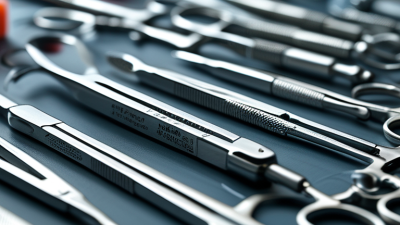
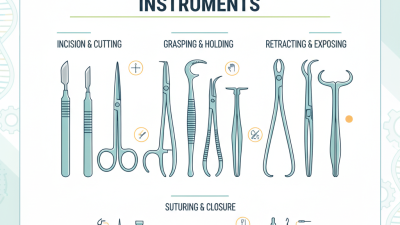
Surgical instruments cover cutting, grasping, suturing, and orthopedic procedures. Electrosurgical systems help control bleeding during abdominal, gynecological, and general operations.
Endoscopy equipment supports minimally invasive diagnosis and treatment, using cameras, light sources, insufflation, and specialized accessories.
Operating tables and shadowless lights affect positioning, visibility, and team movement. Small design flaws matter.
Fortune Business Insights valued the global surgical instruments market at approximately US$14.41 billion in 2023. China’s National Health Commission reported total health expenditure of about RMB9.06 trillion in 2023, supporting continued hospital investment.
However, market size does not prove clinical quality. Procurement teams should review NMPA registration, ISO 13485 quality systems, electrical safety testing, sterilization compatibility, and local service capacity.
For anesthesia and monitoring devices, alarm performance and data accuracy deserve practical testing. For endoscopy, image clarity is only one issue; cleaning access and repair time are equally important. I would not choose equipment from a catalog alone. Fit matters.
Quality Standards, Certifications, and Market Recognition
Chinese surgical equipment is usually identified by function, not just by manufacturer. Common categories include electrosurgical units, operating tables, surgical lights, anesthesia systems, endoscopy towers, and sterilizers. Their market credibility depends on documented performance, traceable production, and after-sales support.
ISO 13485 remains a key quality reference. The ISO Survey 2023 recorded more than 27,000 valid ISO 13485 certificates worldwide. Chinese suppliers seeking international recognition should also address ISO 14971 risk management, IEC 60601 electrical safety, and applicable sterilization standards. NMPA registration is essential for domestic distribution, while CE marking or FDA clearance may support access to overseas markets. Certification helps, but it does not replace technical verification.
Details matter.
A hospital should inspect temperature uniformity inside a sterilizer, not only read its brochure. It should test table movement under a realistic patient load. UN Comtrade data continues to place China among major exporters of medical instruments under HS 9018, showing broad international participation. Yet export volume can create a misleading impression. Some suppliers provide excellent validation files; others offer incomplete translations or weak complaint records. That gap deserves attention. A certificate may be genuine, but maintenance response can still disappoint. Procurement teams should compare audit reports, service intervals, training records, and failure data before judging Chinese surgical equipment names.
How to Evaluate Chinese Surgical Equipment Suppliers
Chinese surgical equipment suppliers cover operating tables, surgical lights, electrosurgical units, suction systems, instrument sets, and sterilization equipment. Product names matter less than verified performance and intended use. A dependable supplier should provide clear specifications, device classifications, user manuals, and current regulatory documentation. Ask for evidence of quality management certification, factory testing, and product traceability. Photos are useful, but they are not proof.
Tips: Request a sample unit before a large order. Check cable markings, welds, controls, packaging, and cleaning instructions. Confirm spare-part availability and response times. A video call can reveal production conditions, though it cannot replace an independent audit.
Evaluate the supplier’s technical depth. Can engineers explain electrical safety, sterilization compatibility, alarm limits, and maintenance intervals? Ask for test reports from recognized laboratories when appropriate. Confirm whether documents match the exact model, not a similar version. Review delivery records carefully, including export packaging and inspection procedures. A low quotation may exclude training, installation, replacement parts, or calibration. That mistake becomes expensive in a busy operating room. Supplier evaluation is rarely perfect. A polished catalog can still hide weak after-sales support, while a smaller factory may offer strong engineering assistance. Use written specifications, staged payments, acceptance checks, and documented communication. Independent clinical or technical advice is valuable before procurement.