


Bone fractures are one of the most common orthopaedic problems faced globally, affecting millions of people every year. Whether caused by trauma, accidents, sports injuries, or underlying health conditions such as osteoporosis, fractures require timely and reliable treatment to ensure proper healing and restore normal function. With advancements in medical technology, Orthopaedic implants and devices like external fixators have emerged as dependable solutions to stabilize and repair bone fractures. These innovations not only provide structural support to the injured bone but also promote quicker recovery and better outcomes for patients.
The Growing Importance of Orthopaedic Implants in India
India has become a leading hub in the production and use of orthopaedic implants. With an increasing number of road accidents and sports-related injuries, along with rising cases of bone disorders, the demand for advanced fixation devices is rapidly growing. Orthopaedic implants play a vital role in:
- Stabilizing fractured bones during the healing process.
- Maintaining alignment of bone fragments.
- Allowing early mobilization, which helps prevent stiffness and muscle loss.
- Reducing complications such as non-union or malunion of fractures.
What Are External Fixators?
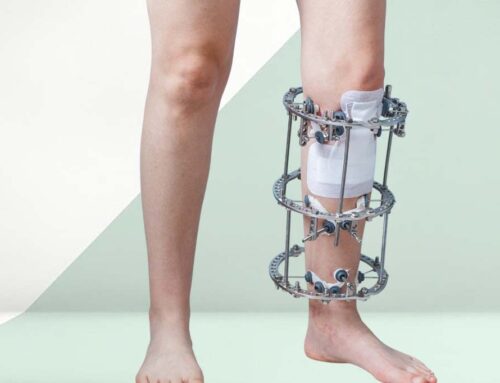
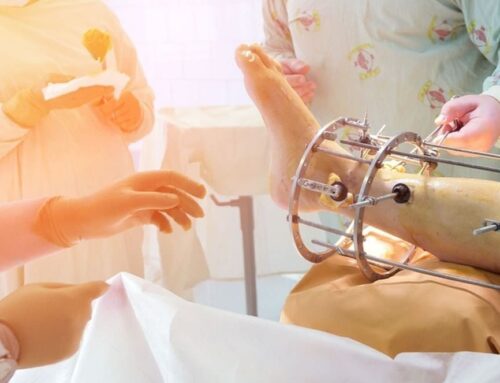
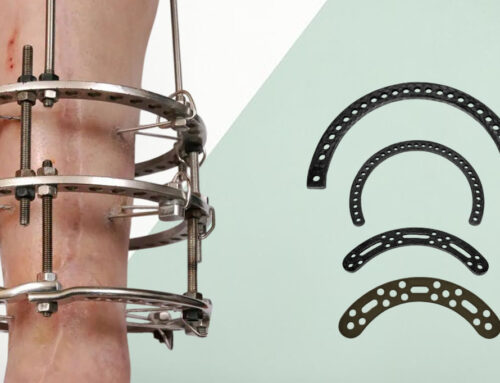
External fixators are orthopaedic devices used to stabilize and align fractured bones from outside the body. Unlike internal implants such as Locking plates or screws, external fixators are placed externally and connected to the bone through pins or wires. This allows surgeons to correct, stabilize, and manage bone injuries without extensive surgical intervention at the fracture site.
External fixators are widely used for:
- Severe open fractures.
- Complex fractures with multiple fragments.
- Correcting bone deformities.
- Limb lengthening procedures.
- Stabilizing fractures with high infection risk.
Types of External Fixators
External fixators come in different forms, designed to cater to specific injuries and patient needs. Common types include:
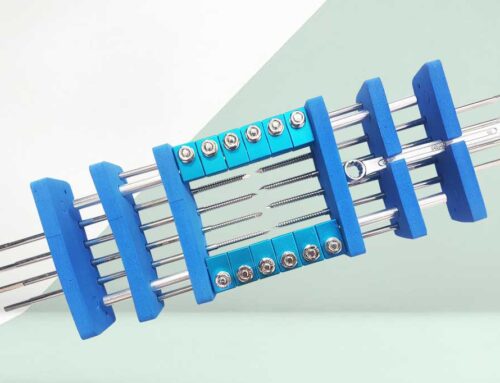
Unilateral Fixators
- Attached on one side of the limb.
- Simple and commonly used for long bone fractures.
Circular Fixators (Ilizarov Type)
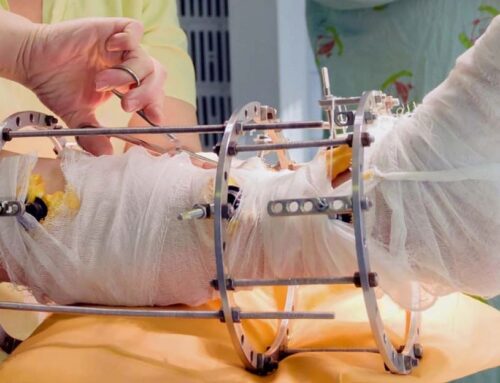
- Circular frames connected with wires and rings.
- Ideal for complex fractures, deformity corrections, and limb lengthening.
Hybrid Fixators
- Combination of unilateral and circular systems.
- Used for peri-articular (near joint) fractures.
Modular Fixators
- Allow adjustments during the healing process.
- Provide flexibility to surgeons in treating complicated cases.
With the availability of external fixators India, patients have access to reliable and cost-effective solutions that meet global quality standards.
Key Benefits of External Fixators
External fixators provide several clinical benefits, making them a preferred option in many orthopedic treatments:
- Minimally Invasive: Since fixation is applied externally, the fracture site is less disturbed, reducing soft tissue damage.
- Adjustability: Surgeons can realign bones during the healing process without additional surgery.
- Effective in Severe Fractures: Particularly useful for open and contaminated fractures where internal fixation may not be suitable.
- Support in Bone Reconstruction: Widely used in bone transport and lengthening procedures.
- Reduced Risk of Infection at Fracture Site: As there is no large implant inside the body, the risk of deep infection is minimized.
Dependable Solutions to Stabilize and Repair Bone Fractures
The primary goal of any orthopaedic treatment is to stabilize the bone, restore function, and promote complete healing. Here’s how they contribute:
Stability in Complex Injuries
Severe or comminuted fractures require stable fixation to ensure bone fragments heal in proper alignment. External fixators offer unmatched stability in such cases.
Versatility Across Applications
Orthopedic implants like plates, screws, nails, and fixators are designed to address fractures in different body parts including the hip, femur, tibia, ankle, wrist, and shoulder.
Enhanced Patient Outcomes
The use of high-quality, biocompatible materials ensures implants remain safe inside the body, allowing patients to recover without long-term complications.
Cost-Effective Solutions in India
One of the major advantages of orthopaedic implants is their affordability without compromising quality. Indian manufacturers comply with international standards, making their implants both reliable and economical.
Materials Used in Orthopaedic Implants
High-quality materials ensure implants remain dependable during the healing process. Commonly used materials include:
- Stainless Steel (316L): Strong, durable, and affordable.
- Titanium and Titanium Alloys: Lightweight, biocompatible, and resistant to corrosion.
- Bioabsorbable Materials: Gradually dissolve after healing, eliminating the need for implant removal surgery.
These materials are carefully engineered to withstand the mechanical stress of daily movements while remaining safe for long-term use.
External Fixators vs. Internal Fixation Devices
While external fixators are essential for specific cases, internal fixation devices such as plates, screws, and nails are also widely used. Here’s a quick comparison:
External Fixators:
- Best for open fractures and infected wounds.
- Easily adjustable during healing.
- Visible outside the body.
Internal Fixation (Plates & Screws):
- Implanted beneath the skin.
- Provide strong stability.
- Suitable for closed fractures and areas requiring rigid fixation.
In many cases, both methods are used together to achieve optimal results.
The Role of India in Orthopaedic Implant Manufacturing
India has become a trusted source for high-quality orthopaedic solutions. Manufacturers in India are recognized for producing world-class implants, including external fixators, and exporting them to multiple countries. Key reasons for this success include:
- Cost-Effective Production: Lower costs without compromising international quality standards.
- Global Certifications: Indian implants meet CE, ISO, and FDA standards.
- Wide Range of Products: From trauma implants to joint replacement systems.
- Strong Distribution Network: Ensuring accessibility across urban and rural healthcare facilities.
This positions India as a leader in providing dependable solutions to stabilize and repair bone fractures.
Patient Recovery with External Fixators and Implants
Recovery from fractures depends on both the surgical procedure and the quality of implants used. With dependable implants:
- Healing Time Is Reduced: Stable fixation accelerates natural bone healing.
- Early Mobilization Is Possible: Patients can start physiotherapy earlier, preventing stiffness.
- Reduced Complication Rates: High-quality implants minimize risks like loosening or failure.
- Improved Quality of Life: Patients regain mobility and return to daily activities faster.
Future Trends in Orthopedic Implants and Fixators
The field of orthopedic implants is continuously evolving. Future advancements include:
- 3D-Printed Customized Implants: Tailored to individual patient anatomy.
- Smart Implants: Equipped with sensors to monitor healing progress.
- Improved Bioabsorbable Materials: Providing stability and then dissolving naturally.
- Next-Generation External Fixators: Lighter, more comfortable, and easier to adjust.
These innovations will further enhance the reliability of orthopedic solutions worldwide.
Conclusion
Whether it’s a complex open fracture requiring external fixation or a closed fracture needing internal implants, India is at the forefront of providing reliable orthopaedic solutions. By combining innovative design, biocompatible materials, and international quality standards, Indian manufacturers ensure that patients can heal faster and return to their normal lives with confidence.
In the journey of fracture management, external fixators and orthopedic implants stand as pillars of modern medicine—redefining the way bones heal and ensuring dependable outcomes for millions of patients.


Leave A Comment