


Hip fractures and joint disorders are among the most significant health concerns in India, especially with the rising aging population and increasing cases of osteoporosis, arthritis, and accidents. For patients suffering from severe hip damage, hip implants play a critical role in restoring mobility, reducing pain, and improving quality of life. With India emerging as a hub for orthopaedic solutions, patients and healthcare professionals have access to a wide range of advanced implant options.
However, the success of hip replacement surgery depends not just on the surgical expertise but also on choosing the most suitable implant for the patient. This article explores the key considerations for picking suitable hip implants in India, covering implant types, materials, patient-specific factors, and the importance of quality standards.
Understanding Hip Implants
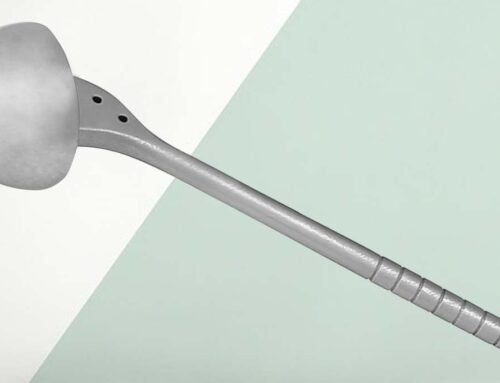
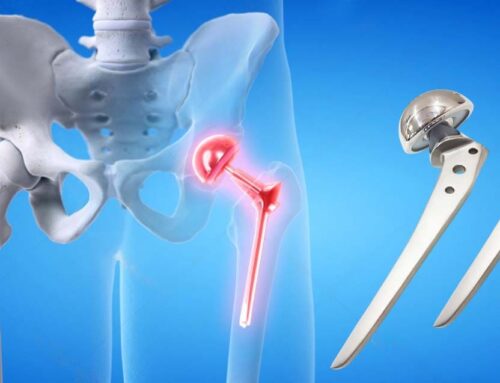
A hip implant is a medical device used to replace parts of the hip joint that are damaged due to injury, arthritis, or other conditions. The hip joint is a ball-and-socket joint, where the femoral head (ball) fits into the acetabulum (socket) of the pelvis. Hip implants replicate this natural anatomy to restore smooth movement and weight-bearing function.
Typical hip implant components include:
- Femoral Stem: Inserted into the thigh bone.
- Femoral Head: Replaces the natural ball of the hip.
- Acetabular Cup: Fits into the pelvic socket.
- Liner: Sits inside the cup, allowing smooth movement of the femoral head.
Key Considerations for Choosing Hip Implants in India
Type of Hip Replacement Surgery
The choice of implant often depends on the type of surgery required:
- Total Hip Replacement (THR): Both the ball and socket are replaced. Most common for arthritis and major hip damage.
- Partial Hip Replacement: Only the femoral head is replaced, usually after fractures.
- Hip Resurfacing: The femoral head is reshaped and capped with a prosthesis instead of being fully replaced. Preferred for younger patients with strong bone quality.
Each type requires a different style of implant, making this the first step in the decision-making process.
Material of the Implant
Implant materials play a vital role in durability and biocompatibility. Common materials include:
- Stainless Steel: Affordable but less durable compared to newer alloys.
- Cobalt-Chromium Alloys: Strong and corrosion-resistant, commonly used in femoral heads.
- Titanium Alloys: Lightweight, highly biocompatible, and known for excellent integration with bone.
- Ceramic Materials: Provide smooth articulation and reduce wear; commonly used for younger patients.
- Polyethylene Liners: High-grade plastic used inside acetabular cups to minimize friction.
The choice of material is often determined by the patient’s age, activity level, and bone condition.
Fixation Method
Another critical factor is how the implant attaches to the bone. Options include:
- Cemented Fixation: Uses bone cement to attach the implant. Best suited for older patients with weaker bones.
- Cementless Fixation: Implant surface encourages bone to grow into it, providing long-term stability. Preferred for younger patients with healthy bone density.
- Hybrid Fixation: Combines cemented and cementless techniques for optimal results.
Surgeons in India often recommend fixation based on the patient’s bone quality and expected activity level after surgery.
Design and Size of the Implant
Every patient has unique anatomy, making implant design and size crucial.
- Standard Implants: Available in a wide range of sizes for most patients.
- Modular Implants: Allow customization by combining components to suit patient anatomy.
- Custom-Made Implants: Designed using 3D imaging and printing for patients with unusual bone structures or deformities.
The availability of advanced orthopaedic implants in India ensures that patients have access to both standard and customized solutions.
Patient-Specific Factors
Several individual factors must be considered when choosing a hip implant:
- Age: Younger patients require implants designed for longevity and durability, while older patients may benefit from cemented implants.
- Bone Quality: Patients with osteoporosis may require specialized implants with enhanced fixation.
- Activity Level: Athletes and active individuals need implants that can withstand higher loads.
- Weight: Heavier patients may require stronger implant materials such as cobalt-chromium or titanium.
- Health Conditions: Existing medical issues like diabetes, infection risk, or allergies influence implant choice.
Longevity and Durability of the Implant
- On average, hip implants last 15–20 years. With advancements in materials like ceramic-on-ceramic or ceramic-on-polyethylene bearings, many implants are now designed to last even longer. Patients in India are increasingly seeking long-lasting solutions to minimize the need for revision surgeries.
Cost Considerations
- India is known for providing high-quality medical care at affordable prices, but the cost of hip implants varies based on brand, material, and type. While stainless steel implants are relatively inexpensive, titanium and ceramic implants are costlier but provide superior long-term performance.
- Patients should balance affordability with durability, keeping in mind that cheaper implants may require earlier replacement, increasing long-term costs.
Brand and Manufacturer Reliability
- Not all implants are created equal. Choosing implants from reputed manufacturers ensures compliance with international standards like CE, ISO, and FDA certifications. India hosts many globally recognized orthopaedic implant manufacturers who supply to both domestic and international markets.
Surgeon’s Expertise and Preference
- Often overlooked, the surgeon’s experience plays a key role in implant selection. Experienced orthopaedic surgeons in India often have preferences for certain implant systems based on their familiarity and patient outcomes. Collaborating with the surgeon ensures the implant chosen aligns with the patient’s needs.
Hospital Infrastructure and Support
- Successful hip replacement surgery also depends on the hospital’s facilities. Hospitals with advanced imaging, modular operating theaters, and post-operative rehabilitation programs ensure better implant selection, placement, and recovery.
The Indian Advantage in Hip Implants
India is rapidly gaining recognition as a global hub for orthopaedic solutions due to:
- High-Quality Manufacturing: Many Indian companies produce implants that meet global quality benchmarks.
- Cost-Effectiveness: Hip replacement surgery in India costs significantly less compared to Western countries.
- Skilled Surgeons: Indian orthopaedic surgeons are globally trained and experienced in handling complex hip replacement cases.
- Wide Range of Options: From economical stainless steel implants to advanced titanium and ceramic solutions.
This makes India a dependable choice for both domestic and international patients seeking hip replacement surgery.
Future of Hip Implants in India
The future of hip implants in India is being shaped by innovations such as:
- 3D Printing: Custom-designed implants tailored to individual anatomy.
- Smart Implants: Devices equipped with sensors to monitor healing and performance.
- Improved Materials: Next-generation ceramics and bioactive coatings for longer implant life.
- Minimally Invasive Techniques: Allow quicker recovery and less post-surgical pain.
These advancements promise even better outcomes for patients undergoing hip replacement in the coming years.
Conclusion
Selecting the right hip implant is a critical step in ensuring the success of hip replacement surgery. For patients and surgeons alike, understanding the key considerations for picking suitable hip implants in India—including type, material, fixation method, patient-specific factors, and cost—is essential for achieving optimal outcomes.
With India’s growing reputation for advanced medical technology, affordable healthcare, and skilled surgeons, patients can confidently find solutions that meet both clinical and personal needs. By balancing durability, safety, and affordability, hip implants in India are redefining orthopaedic care and helping thousands of patients regain their mobility and independence.



Thanks for breaking this down into easy-to-understand terms.