


External fixators are a highly effective and widely used solution for the treatment of bone fractures, especially in complex or severe cases where internal fixation may not be ideal or possible. This method of bone stabilization has become increasingly common in orthopedic care worldwide, including in India, due to its effectiveness, reduced risk of complications, and affordability.
Here’s an in-depth look at external fixators, their types, the procedure involved, and why India is an excellent destination for this kind of treatment.
What is an External Fixator?
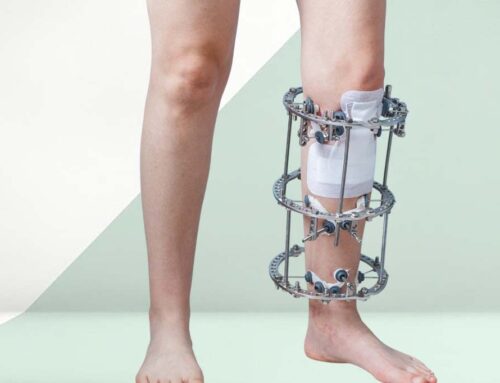
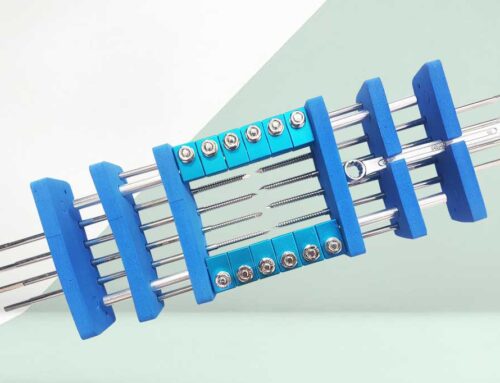
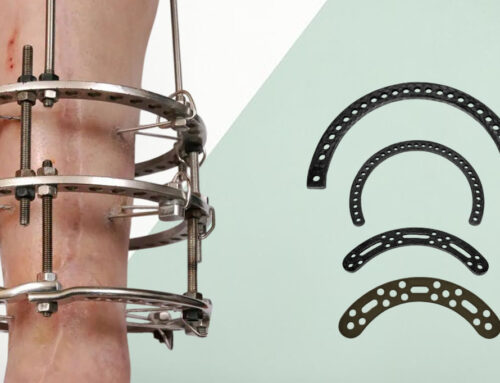
An external fixator is a device used to stabilize broken bones and fractures from the outside of the body. The external fixator consists of metal rods and screws, which are placed through the skin and into the bone at the fracture site. These rods are then connected to an external frame that holds everything in place.
Unlike internal fixators (like plates, screws, or rods inserted inside the body), external fixators allow the bone to be stabilized from the outside. This method is especially useful in complex fractures, open fractures (where the bone protrudes through the skin), or in cases where traditional surgical options may not be suitable.
Why Use External Fixators?
External fixators are typically used for:
- Open fractures: When the bone breaks and pierces through the skin, often accompanied by soft tissue damage. These fractures require careful management to prevent infection.
- Complex fractures: Involving multiple fragments of bone, or fractures that are difficult to align and fix with internal devices.
- Infected fractures: When a bone fracture becomes infected, external fixators allow doctors to perform better wound management and reduce the risk of infection inside the body.
- Bone deformities: In cases of deformities or limb length discrepancies, external fixators can help in gradual correction.
- Trauma cases: In cases of high-impact injuries or accidents, where internal fixation may not be possible due to the severity of damage.
Types of External Fixators
External fixators come in several designs, but the two main types are:
Unilateral External Fixator
- Design: The fixator is attached to the bone on one side only. It is often used for fractures of the long bones, such as the femur or tibia.
- Indications: Typically used for fractures where there is minimal soft tissue damage, or when the fracture alignment does not require extensive adjustment.
Bilateral (Circular) External Fixator
- Design: This system uses a circular frame with rings that encircle the limb, with rods connecting the rings. The fixator stabilizes the fracture from all sides.
- Indications: Bilateral external fixators are typically used for more complicated fractures, especially when there are multiple fracture fragments or significant bone deformities. This system can also be used for distraction osteogenesis, a technique used to lengthen bones.
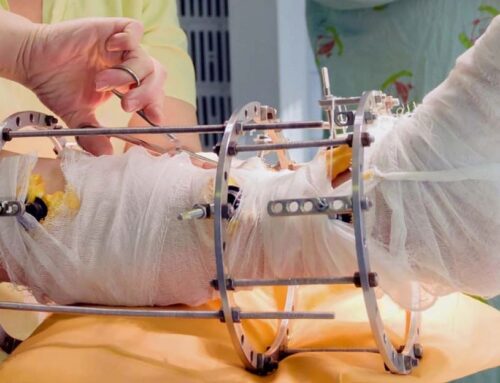
One of the most popular bilateral external fixators used worldwide is the Ilizarov apparatus, named after the Russian surgeon who pioneered the technique. This device is known for its ability to both stabilize fractures and gradually lengthen bones in certain cases.
Advantages of External Fixators
- Minimal Invasive: The procedure involves less soft tissue disruption than traditional surgeries, which means less bleeding and lower infection risk.
- Faster Healing: In certain cases, external fixators can help promote faster bone healing by reducing the risk of infection and misalignment.
- Versatility: External fixators are effective in both stable and unstable fractures. They can be adjusted over time for better bone alignment.
- Corrective Capabilities: In cases of deformities or bone lengthening, external fixators can be used for gradual correction over time.
- Wound Management: Since the fixator is placed outside the body, it is easier to manage open fractures and clean the wound regularly.
Procedure Involved in External Fixation
Here is a breakdown of the typical procedure for using an external fixator:
Pre-Surgery Preparation
- Consultation and Imaging: Before the surgery, the orthopedic surgeon will conduct a thorough examination, including X-rays or CT scans to assess the nature of the fracture.
- Anesthesia: The procedure is performed under local or general anesthesia, depending on the extent of the injury and patient comfort.
Placing the External Fixator
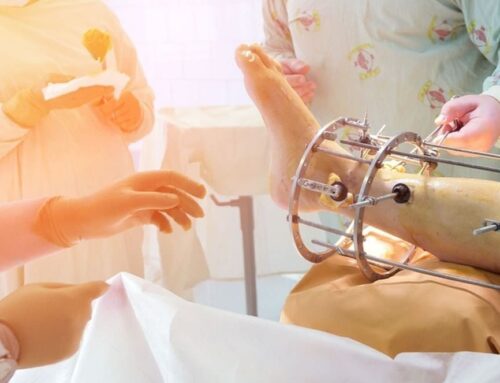
- Surgical Process: The surgeon will first clean and prepare the area around the fracture site. Small holes are drilled into the bone, and pins or screws are inserted into the bone through the skin.
- Attaching the Frame: Once the pins are in place, the surgeon attaches the external frame to the pins using connecting rods.
- Stabilizing the Bone: The frame is adjusted to ensure proper alignment of the bones. If the fracture involves multiple fragments, the surgeon may use the fixator to gradually move the bones into the correct position.
Post-Surgery Care
- Monitoring: After the surgery, the patient is monitored for any signs of infection or complications.
- Pain Management: Pain control is managed with medications, and patients are encouraged to engage in gentle movements as soon as possible to prevent joint stiffness.
- Follow-Up: Regular visits to the orthopedic surgeon are necessary to monitor healing and make any adjustments to the fixator.
Removal of the Fixator
- The external fixator is usually removed once the bone has healed sufficiently, which can take several weeks to months, depending on the severity of the fracture.
- The surgeon will conduct X-rays to confirm that the bone is stable enough to bear weight without the fixator.
Why Choose India for External Fixator Treatment?
India has become one of the top destinations for orthopedic treatment, including the use of external fixators, due to the following reasons:
Affordable Healthcare
Cost-Effective: The cost of orthopedic surgeries, including external fixation, is significantly lower in India compared to Western countries. On average, the cost of external fixator treatment in India ranges between ₹70,000 to ₹2,50,000 ($900 to $3,000), depending on the complexity of the case, the hospital, and the type of fixator used.
Skilled Orthopedic Surgeons
- India has a large number of highly qualified orthopedic surgeons who have trained internationally and gained extensive experience in handling complex fractures using external fixators.
- Surgeons in India frequently perform advanced techniques like Ilizarov bone lengthening, and distraction osteogenesis, gaining international recognition for their expertise.
World-Class Medical Facilities
- Leading hospitals in cities like Delhi, Mumbai, Chennai, and Bangalore are equipped with the latest technologies for fracture management and bone stabilization, including external fixators.
- These hospitals often have specialized trauma and orthopedic units capable of handling complex cases.
Quality Care and Rehabilitation
- India offers comprehensive post-surgery care, including physical therapy and rehabilitation, which are essential for recovery after an external fixation procedure. In addition, follow-up care is provided to ensure proper bone healing and prevent complications.
Risks and Complications
While external fixation is a highly effective method for treating fractures, it is not without risks. Some potential complications include:
- Infection: Infection can occur at the pin sites, where the external fixator attaches to the skin. Proper care and hygiene are crucial to avoid this.
- Pin Loosening: Over time, the pins or screws may loosen, requiring adjustments or re-tightening.
- Joint Stiffness: After the fixator is removed, some patients may experience stiffness in the joint or surrounding muscles.
- Non-Union or Malunion: In rare cases, the bone may not heal properly, leading to misalignment (malunion) or failure to heal (non-union).
However, with proper management, these risks are minimized.
Role of External Fixators in Orthopedic Implants
External fixators play a vital role in the treatment of complex bone fractures, deformities, and injuries, particularly in orthopedic surgery. Unlike traditional internal fixation techniques, which involve surgical implants inside the body (such as locking plates, screws, or rods), external fixators are used to stabilize and align the bones externally, without requiring extensive internal surgery. They are crucial in situations where other methods may not be feasible, and they provide several advantages, especially in managing difficult cases.
Here’s a breakdown of the role of external fixators in orthopedic implants:
Bone Stabilization and Fracture Fixation
The primary function of an external fixator is to stabilize fractured bones. In severe fractures, especially those that involve multiple pieces of bone (comminuted fractures) or open fractures where the bone is exposed through the skin, external fixators help keep the bone fragments aligned during the healing process.
- Unstable fractures: In cases where the bone is not stable enough to heal on its own (e.g., in fractures caused by high-impact trauma), external fixators provide mechanical support.
- Multi-fragmentary fractures: When a bone breaks into several pieces, external fixators can hold the fragments in the correct position while they heal, preventing misalignment.
By keeping the bones stable externally, external fixators help reduce pain and prevent further damage, particularly when internal fixation is not an option.
Managing Open Fractures
In an open fracture (also known as a compound fracture), the bone breaks and pierces the skin, often exposing the fracture site to infection. These types of fractures require special care to avoid further complications.
External fixators are ideal in these situations because:
- They provide stability to the bone while minimizing soft tissue disruption, which is especially important for open fractures where soft tissue injury is common.
- They allow for better wound management by keeping the fracture stable and allowing for frequent cleaning and dressing changes, thus reducing the risk of infection.
- The use of external fixators can be critical in preventing the need for internal implants, which might exacerbate the risk of infection in cases with poor tissue conditions.
Gradual Bone Lengthening and Correction of Deformities
One of the most fascinating uses of external fixators is in the gradual lengthening of bones or correction of bone deformities. This technique is commonly referred to as distraction osteogenesis.
- Bone Lengthening: External fixators like the Ilizarov apparatus can be used to gradually lengthen bones after a fracture or to treat conditions like limb length discrepancies, congenital limb deformities, or conditions such as short stature.
- Deformity Correction: If a bone heals in a misaligned position (malunion) or if a bone is abnormally shaped due to trauma or disease, external fixators can be used to correct the bone’s alignment over time. The fixator gradually moves the bone into a proper alignment.
In this procedure:
- The external fixator is adjusted over time to slowly pull apart the bone at the fracture site.
- As the bone separates, new bone tissue forms in the gap, gradually lengthening the bone.
This process can be controlled precisely to avoid any sudden movements that could cause injury or complications, allowing for gentle and controlled bone elongation.
Minimizing Soft Tissue Damage
External fixators are less invasive compared to traditional internal fixation methods. Since they don’t require making large incisions to insert plates or screws inside the body, the risk of soft tissue damage (muscles, ligaments, blood vessels) is significantly reduced.
- Lower risk of infection: Because the fixator stays outside the body, the risk of infection inside the body is lower compared to internal hardware.
- Preserving soft tissue structures: External fixators are particularly beneficial in situations where there has been severe soft tissue damage, as they help stabilize the bone without further harming the surrounding tissues.
This makes external fixators particularly useful for patients with significant soft tissue injuries that could complicate traditional surgeries.
Conclusion
External fixators are an essential tool in modern orthopedic surgery, providing a solution to fractures that are too complex or severe for traditional internal fixation methods. India’s blend of skilled surgeons, advanced medical technology, and affordable healthcare make it an ideal destination for individuals requiring external fixator treatment. Whether you’re dealing with open fractures, complex fractures, or deformities, an external fixator can help you regain mobility and lead an active life again.
If you’re considering this treatment, consulting with a skilled orthopedic surgeon is key to determining if an external fixator is the right option for your specific needs.


Leave A Comment