


Joint pain is one of the most common health issues that can significantly reduce a person’s quality of life. Whether caused by injury, arthritis, or degenerative conditions, severe joint pain can limit mobility, disrupt daily activities, and cause long-term discomfort. In recent decades, orthopaedic implants have emerged as an effective solution to restore joint function, reduce pain, and help patients regain independence.
In this blog, we will explore how orthopaedic implants work, the types available, the conditions they address, and the benefits they bring to patients struggling with severe joint pain.
Understanding Severe Joint Pain
Severe joint pain occurs when the structures that make up a joint—such as cartilage, ligaments, tendons, or bones—become damaged or worn down. This damage can result from:
Osteoarthritis – A degenerative disease that wears down cartilage over time.
Rheumatoid Arthritis – An autoimmune condition causing chronic inflammation.
Traumatic Injury – Fractures, ligament tears, or dislocations.
Degenerative Joint Disease – Age-related wear and tear.
Infections or Other Medical Conditions – Such as gout or lupus.
When non-surgical treatments like physiotherapy, medication, or lifestyle changes fail to provide relief, orthopaedic surgery using implants may be the best option.
What Are Orthopaedic Implants?
Orthopaedic implants are specially designed medical devices that replace, support, or stabilize damaged bones or joints. They are typically made from biocompatible materials such as titanium alloys, stainless steel, or medical-grade polymers, which are strong, durable, and safe for long-term use inside the body.
These implants can either replace a damaged joint entirely (as in joint replacement surgeries) or stabilize fractured bones so they can heal properly.
How Orthopaedic Implants Help in Severe Joint Pain
Orthopaedic implants work by:
Restoring Joint Function – Replacing worn-out joint surfaces with smooth, artificial components that reduce friction and allow smooth movement.
Stabilizing the Joint – Preventing excessive or abnormal movement that can cause pain.
Correcting Deformities – Realigning bones to their correct position.
Reducing Inflammation – Eliminating the constant irritation that damaged bone and cartilage can cause.
Allowing Early Mobility – Enabling patients to move sooner after surgery, which helps in faster recovery.
By addressing the root cause of pain—whether bone-on-bone friction or unstable structures—implants can significantly improve comfort and mobility.
Types of Orthopaedic Implants for Joint Pain Relief
Orthopaedic implants come in many forms depending on the joint being treated and the severity of the condition. Common types include:
Joint Replacement Implants
- Used in hip, knee, shoulder, and elbow replacements.
- Replace the damaged joint with artificial components (prosthetics).
- Ideal for patients with advanced arthritis or severe joint degeneration.
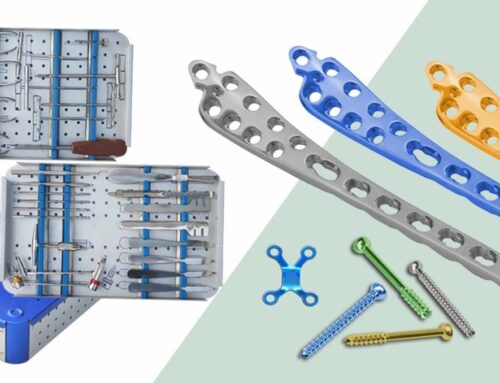
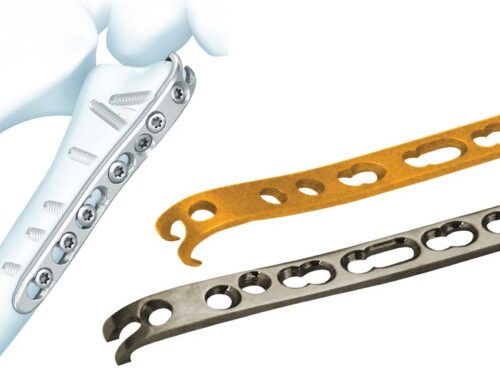
Plates and Screws
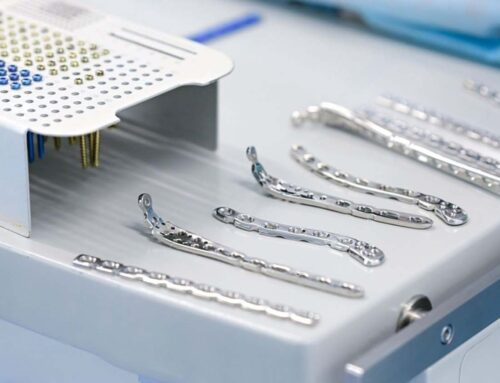
- Locking plates and screws are used to stabilize fractured bones near joints.
- Prevent movement during healing and ensure proper alignment.
Intramedullary Nails and Rods
- Inserted into the bone marrow canal to stabilize long bone fractures.
- Common for femur, tibia, or humerus injuries.
Spinal Implants
- Used for conditions like herniated discs, spinal instability, or degenerative spine diseases.
- Include rods, plates, and cages.
Arthroscopic Implants
- Small devices used during minimally invasive surgeries to repair ligaments or cartilage in joints.
Common Joint Replacement Surgeries Using Implants
Severe joint pain most often affects weight-bearing and highly mobile joints. The most common orthopaedic implant surgeries include:
Knee Replacement – Replaces worn-out cartilage and bone surfaces in the knee with metal and plastic components.
Hip Replacement – Involves replacing the hip joint with a metal or ceramic ball and socket.
Shoulder Replacement – Used for arthritis or severe rotator cuff injuries.
Ankle and Elbow Replacements – Less common but highly effective for specific injuries and arthritis cases.
Benefits of Orthopaedic Implants for Joint Pain
Patients who undergo orthopaedic implant surgeries often experience life-changing improvements, including:
Pain Relief
- Eliminates the constant pain caused by damaged cartilage and bones.
Improved Mobility
- Restores range of motion and the ability to perform everyday tasks.
Better Joint Stability
- Prevents abnormal joint movement that can lead to falls or further injuries.
Enhanced Quality of Life
- Allows patients to return to hobbies, work, and social activities.
Long-Term Durability
- Modern implants can last 15–20 years or more with proper care.
Recovery and Rehabilitation After Implant Surgery
While orthopaedic implants provide significant relief, recovery requires commitment to a structured rehabilitation plan:
Hospital Stay – Usually a few days after surgery.
Physiotherapy – Essential for regaining joint strength and mobility.
Pain Management – Medications and cold therapy may be used during recovery.
Lifestyle Adjustments – Maintaining a healthy weight and avoiding excessive strain on the joint prolongs implant life.
Patients who follow their rehabilitation program closely often achieve better and faster results.
Safety and Longevity of Orthopaedic Implants
Modern orthopaedic implants are designed for safety and longevity. With advances in materials and surgical techniques:
- Risk of rejection or allergic reaction is minimal.
- Implant loosening or wear is rare in the first decade after surgery.
- Newer materials mimic natural joint movement more closely.
- In some cases, robotic-assisted surgeries improve implant placement accuracy, increasing success rates.
When to Consider Orthopaedic Implants
You should talk to an orthopaedic surgeon about implants if:
- Pain persists despite medication and physical therapy.
- Mobility is severely restricted.
- You experience stiffness that limits daily activities.
- Imaging tests show advanced joint damage.
- Pain interferes with sleep and quality of life.
Early consultation can prevent further damage and improve recovery outcomes.
Conclusion
Orthopaedic implants have revolutionized the treatment of severe joint pain, giving patients a second chance at a pain-free, active life. Whether caused by arthritis, injury, or degenerative conditions, joint problems can now be addressed effectively with advanced surgical techniques and durable implants.
If you have been living with constant pain that affects your mobility and daily routine, it may be time to explore orthopaedic implant options with a qualified specialist. With the right treatment, you can walk, run, and move freely again—leaving joint pain behind and embracing a healthier, more active future.


Leave A Comment