


When someone experiences a hip injury or is diagnosed with a condition that severely affects the hip joint—such as arthritis, fractures, or degenerative joint diseases—they may need to consider a hip replacement. In a hip replacement surgery, the damaged or worn-out parts of the hip joint are replaced with a prosthesis (artificial implant). The goal of the procedure is to reduce pain, improve mobility, and restore the quality of life.
Let’s dive into the detailed process of replacing an injured hip with a high-quality artificial hip implant.
What is a Hip Prosthesis (Artificial Hip Implant)?
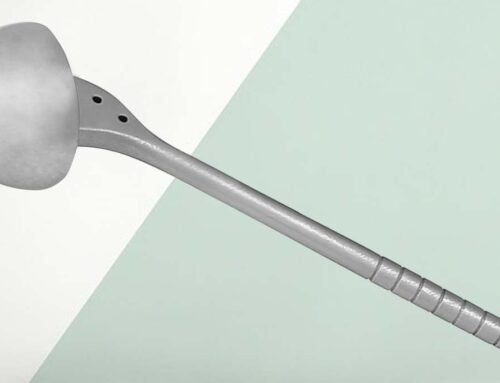
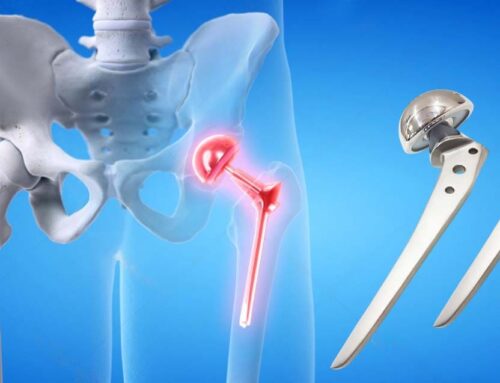
A hip prosthesis or artificial hip implant consists of three main components that replace the natural parts of the hip joint:
- The Acetabular Component: This is the socket part of the hip joint that is typically made from high-quality polyethylene (a plastic material), ceramic, or metal. It is placed into the pelvis to replace the natural acetabulum.
- The Femoral Component: This is the “ball” of the hip joint, typically made from ceramic, metal, or a combination of both. It fits into the acetabular component and allows for smooth movement.
- The Stem: This part is inserted into the femur (thigh bone) to hold the femoral component in place. It’s usually made from titanium or cobalt-chromium alloy, materials that are strong and durable.
Indications for Hip Replacement
The decision to opt for a hip replacement depends on the severity of the condition. Common reasons for opting for a hip prosthesis include:
- Osteoarthritis: A degenerative disease that wears down the cartilage, causing pain and stiffness.
- Rheumatoid Arthritis: An autoimmune disease that attacks the joints, leading to inflammation and joint damage.
- Hip Fractures: Severe fractures that cannot be repaired, especially in elderly individuals.
- Avascular Necrosis (AVN): A condition where the blood supply to the femoral head is disrupted, leading to bone death.
- Congenital Hip Dislocations: Developmental conditions where the hip joint does not form correctly.
- Hip Labral Tears: Tears in the cartilage that help stabilize the hip joint.
Types of Hip Replacement Surgeries
There are different types of hip replacement procedures based on the extent of damage and the patient’s needs:
Total Hip Replacement (THR):
- Involves replacing both the acetabulum (hip socket) and the femoral head (ball).
- Indicated for: Conditions like osteoarthritis, rheumatoid arthritis, fractures, and advanced joint degeneration.
Partial Hip Replacement (Hemiarthroplasty):
- Only the femoral head (ball) is replaced, while the acetabulum (socket) is left intact.
- Indicated for: Conditions like fractures where the socket is not damaged.
Hip Resurfacing:
- Instead of replacing the femoral head, it is shaved and capped with a metal covering.
- Indicated for: Younger, more active patients with less joint damage.
Hip Prosthesis Materials
The materials used for making hip implants vary, and each material has its own advantages in terms of durability, friction, and compatibility with the human body:
Metal-on-Polyethylene:
- Metal ball (femoral head) and plastic socket (acetabulum).
- Durable, cost-effective, but can wear down over time due to friction.
- Common in older implant designs.
Ceramic-on-Polyethylene:
- Ceramic ball and plastic socket.
- High wear resistance and low friction.
- Ceramics are smoother and less likely to wear down, reducing debris production.
Ceramic-on-Ceramic:
- Both the femoral ball and acetabular socket are made of ceramic.
- Minimal wear and long lifespan.
- Ideal for younger and more active patients due to better durability.
Metal-on-Metal:
- Both the ball and socket are made of metal, usually cobalt-chromium.
- Known for high durability but has been controversial due to potential complications, like the release of metal ions into the bloodstream.
Polyethylene-on-Polyethylene:
- Both the femoral head and acetabulum are made from high-density polyethylene.
- Rarely used but can be a good option for patients with certain conditions.
The Surgery Process: Step by Step
Preparation:
- Pre-surgical Consultation: The surgeon will review your medical history, perform diagnostic tests (X-rays, MRIs), and assess your overall health to determine the best approach.
- Anesthesia: The surgery is usually performed under general anesthesia, though some patients may be given regional anesthesia (spinal block).
- Pre-operative Instructions: Patients may be advised to stop certain medications (like blood thinners) before the surgery.
Surgical Procedure:
- Incision: The surgeon will make an incision on the side or back of the hip. This allows access to the joint and bone.
- Removal of Damaged Parts: The damaged femoral head and the worn-out socket are removed.
- Implantation of Prosthesis: The artificial femoral head is inserted into the thigh bone, and the new socket is placed into the pelvis.
- Closing: The incision is closed, and the joint is checked for stability.
Duration:
- The procedure typically takes 1 to 2 hours.
Recovery After Hip Replacement Surgery
The recovery process varies from person to person, but generally includes the following stages:
Post-Surgery Hospital Stay:
- Duration: 2-4 days, depending on how well you’re recovering.
- Pain Management: Pain will be controlled using medications, and physical therapy begins as soon as you are stable.
- Physical Therapy: Patients are encouraged to start gentle movements and range-of-motion exercises early to prevent stiffness and muscle weakness.
Rehabilitation:
- Weeks 1-2: You will begin to walk with the help of crutches or a walker. The goal is to regain mobility.
- Weeks 3-6: Continue physical therapy to build strength, improve gait, and restore movement in the hip.
- Months 3-6: Most patients return to daily activities, though high-impact sports and strenuous activities should be avoided.
- Long-Term Care: Follow-up visits with your surgeon are essential to ensure the implant is functioning well. You may be advised to avoid activities that put excessive stress on the hip.
Potential Risks and Complications
While hip replacement surgery is generally very successful, there are some risks associated with the procedure, including:
Infection: Though rare, infection can occur at the surgical site.
Blood Clots: Deep vein thrombosis (DVT) can occur in some patients, especially if they remain immobile for long periods.
Implant Loosening: Over time, the artificial implant can wear out, causing the joint to become unstable or uncomfortable.
Dislocation: The new joint may occasionally dislocate, especially if certain movements or positions are not avoided post-surgery.
Choosing the Right Hip Prosthesis
Several factors influence the choice of hip prosthesis, including:
- Age and Activity Level: Younger patients and those with an active lifestyle may opt for a prosthesis with high durability, like ceramic-on-ceramic.
- Bone Health: People with weak bones might need special types of implants or cement to help anchor the prosthesis securely.
- Cost: While high-quality materials may be more expensive, many patients choose based on the long-term benefits.
Conclusion
Replacing an injured hip with an artificial hip implant is a highly successful and life-changing surgery for many patients. With advancements in implant materials, surgical techniques, and rehabilitation methods, patients can often return to an active and pain-free life post-surgery. If you’re considering a hip replacement, it’s important to have a thorough discussion with your orthopedic surgeon to choose the best implant option for your lifestyle, condition, and long-term health.



Leave A Comment