


Hip problems, including degenerative joint disease, fractures, and arthritis, can severely affect mobility, independence, and overall quality of life. For patients experiencing chronic pain and limited movement, a hip prosthesis provides an effective, long-term solution. Modern hip replacement procedures restore mobility, reduce pain, and help patients return to their daily routines with confidence.
In addition to the hip prosthesis itself, a wide range of orthopaedic implants and instruments—including hip implants, interlocking nails (tibia and femur), spine implants, ACL-PCL implants, general instruments, and mini, small, and large fragment implants—support comprehensive surgical care and improve patient outcomes.
This article explores the role of hip prosthesis in modern orthopaedic care, its benefits, surgical procedure, and integration with other implant systems.
Understanding Hip Prosthesis
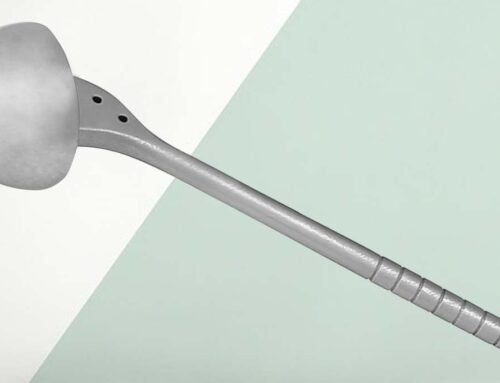
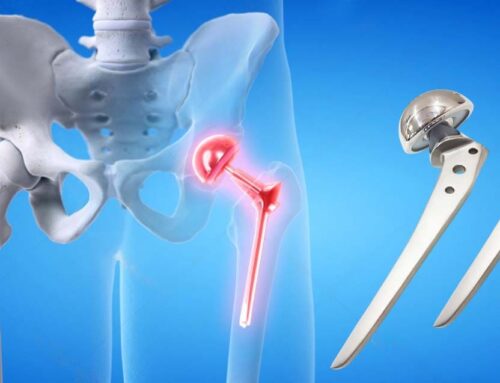
A hip prosthesis is an artificial implant used to replace damaged parts of the hip joint. It is indicated for:
- Osteoarthritis or rheumatoid arthritis
- Hip fractures
- Osteonecrosis (avascular necrosis)
- Hip deformities or congenital abnormalities
- Tumor-related bone loss
The hip joint is a ball-and-socket joint, consisting of the femoral head and the acetabulum in the pelvis. A hip prosthesis replaces these components, restoring smooth joint movement and stability.
Hip prostheses are made from biocompatible materials such as titanium alloys, cobalt-chromium, stainless steel, and ceramics. These materials provide strength, durability, and long-term stability while minimizing the risk of allergic reactions or rejection.
Types of Hip Prosthesis
Modern hip prostheses are designed to meet different patient needs and surgical requirements. Key types include:
Total Hip Prosthesis
- Replaces both the femoral head and the acetabular socket. It is ideal for patients with severe arthritis or joint degeneration.
Partial Hip Prosthesis (Hemiarthroplasty)
- Replaces only the femoral head while preserving the acetabulum. Commonly used in elderly patients with femoral neck fractures.
Cemented Hip Prosthesis
- Uses bone cement to secure the implant. Provides immediate fixation, particularly useful for patients with weaker bones.
Uncemented Hip Prosthesis
- Relies on bone growth into the implant for long-term stability. Suitable for younger, more active patients.
Hybrid Hip Prosthesis
- Combines cemented and uncemented techniques to achieve both immediate and long-term stability.
Benefits of Hip Prosthesis
Hip prosthesis surgery offers multiple advantages:
- Pain Relief: Eliminates chronic pain caused by arthritis or injury.
- Improved Mobility: Restores walking, climbing stairs, and other daily activities.
- Enhanced Quality of Life: Increases independence and confidence.
- Durability: Modern implants last 15–20 years or longer.
- Faster Recovery: Minimally invasive techniques reduce surgical trauma and recovery time.
Surgical Procedure
Hip replacement surgery involves precise steps to ensure proper implant placement and optimal outcomes:
- Preoperative Planning – Includes imaging, patient assessment, and selection of implant type.
- Anesthesia and Incision – Either spinal or general anesthesia is used. Surgeons make a surgical incision to access the hip joint.
- Removal of Damaged Bone – The diseased femoral head and cartilage are carefully removed.
- Implant Placement – The acetabular cup and femoral stem with head are inserted.
- Fixation and Stabilization – Cemented or uncemented methods secure the implant.
- Closure and Recovery – The incision is closed, and the patient begins a rehabilitation program.
Role of Hip Prosthesis in Orthopaedic Care
Hip prostheses are an integral part of orthopaedic implants, working in conjunction with various implant systems and instruments:
Hip Implants
- Specific designs provide better fit, durability, and load distribution for patients.
- Compatible with cemented and uncemented techniques.
Interlocking Nails – Tibia and Femur
- Stabilize long bone fractures in trauma patients.
- Often used in cases where hip fractures are associated with femoral or tibial injuries.
Spine Implants
- Patients with hip joint problems may also have spinal issues.
- Spine implants ensure stability and improve overall alignment during hip rehabilitation.
ACL-PCL Implants and Instruments
- Related to knee ligament reconstruction.
- Lower limb biomechanics can be restored with combined hip and knee procedures.
- Mini, Small, and Large Fragment Implants
- Used for fracture fixation around the hip and pelvis.
- Help in managing complex fractures where hip prosthesis alone may not suffice.
General Instruments
- Essential for precise surgical handling, implant insertion, and alignment.
- Include drills, screwdrivers, retractors, and clamps.
Advantages of Integrating Multiple Orthopaedic Systems
Combining hip prostheses with other orthopaedic implants and instruments provides:
- Comprehensive Trauma Management: Ensures stabilization of multiple fractures in a single surgery.
- Improved Patient Outcomes: Combines joint replacement with fracture fixation or ligament reconstruction.
- Enhanced Stability: Locking plates, interlocking nails, and fragment implants improve load distribution.
- Minimized Complications: Using specialized instruments ensures precision, reducing the risk of implant failure or malalignment.
Advances in Hip Prosthesis Technology
Modern hip prosthesis design and surgical techniques have significantly improved outcomes:
Minimally Invasive Surgery (MIS)
- Smaller incisions reduce tissue damage and recovery time.
3D Custom Implants
- Patient-specific implants offer perfect anatomical fit.
Dual Mobility Cups
- Reduce risk of dislocation and improve joint stability.
Advanced Materials
- Titanium, ceramic, and cobalt-chromium alloys enhance durability and wear resistance.
Improved Fixation Techniques
- Cementless and hybrid fixation methods allow tailored solutions for patients with varying bone quality.
Postoperative Care and Rehabilitation
After hip replacement surgery, a structured rehabilitation program is critical:
- Physical Therapy: Strengthens muscles and improves hip mobility.
- Assistive Devices: Walkers or canes support early mobility.
- Lifestyle Adjustments: Avoiding high-impact activities initially to protect the implant.
- Regular Follow-ups: Monitor implant performance and detect complications early.
With proper postoperative care, patients can expect restored mobility, reduced pain, and enhanced quality of life.
Complications and Considerations
While hip prosthesis surgery is highly successful, some considerations include:
- Risk of Infection: Strict sterilization protocols reduce this risk.
- Dislocation: Proper implant placement and dual mobility designs minimize dislocation risk.
- Implant Loosening or Wear: Advanced materials and design reduce wear over time.
- Patient-Specific Factors: Age, bone quality, and activity level affect outcomes.
Surgeons mitigate these risks by combining hip prostheses with other orthopaedic implants and instruments, ensuring stable fixation and optimal alignment.
Why Hip Prosthesis is a Game-Changer
Hip prosthesis has revolutionized orthopaedic care by offering:
- Reliable Pain Relief – Chronic hip pain is effectively treated.
- Enhanced Mobility – Patients regain independence and daily functionality.
- Long-Term Solution – Durable implants provide years of pain-free movement.
- Integration with Other Orthopaedic Systems – Ensures comprehensive care in complex trauma or degenerative conditions.
Combined with hip implants, interlocking nails, spine implants, ACL-PCL implants, mini, small, and large fragment implants, and general instruments, hip prosthesis surgery offers a complete solution for orthopedic and trauma care.
Conclusion
The hip prosthesis is a quality hip replacement solution designed to restore mobility, relieve pain, and improve overall quality of life. By integrating advanced surgical techniques, modern implant materials, and a wide range of orthopaedic instruments, hip replacement surgeries today provide reliable, long-term outcomes.
Whether addressing degenerative arthritis, fractures, or complex trauma, hip prostheses—alongside interlocking nails, spine implants, ACL-PCL implants, mini, small, and large fragment implants—ensure patients regain movement and confidence.
In modern orthopaedic practice, hip prosthesis is not just an implant; it is a comprehensive solution for better mobility, reduced pain, and improved life quality.



Leave A Comment