


Hip problems, including fractures, arthritis, and joint degeneration, can significantly impact mobility and overall quality of life. For decades, orthopaedic surgeons have relied on hip prosthesis as a safe and effective solution to address these conditions. A hip prosthesis is an artificial implant designed to replace the damaged or diseased parts of the hip joint, restoring movement, reducing pain, and improving patient outcomes.
With advancements in medical engineering and surgical techniques, modern hip prostheses offer long-lasting durability, better anatomical fit, and higher patient satisfaction rates. In addition, a wide range of orthopaedic implants and instruments, such as locking plates and screws, interlocking nails (tibia and femur), spine implants, ACL-PCL implants, and maxillofacial implants, support comprehensive orthopaedic care.
What is a Hip Prosthesis?
A hip prosthesis is a medical implant used to replace the natural hip joint when it becomes damaged due to:
- Osteoarthritis
- Rheumatoid arthritis
- Osteonecrosis (avascular necrosis)
- Severe fractures of the hip joint
- Tumors affecting the hip bones
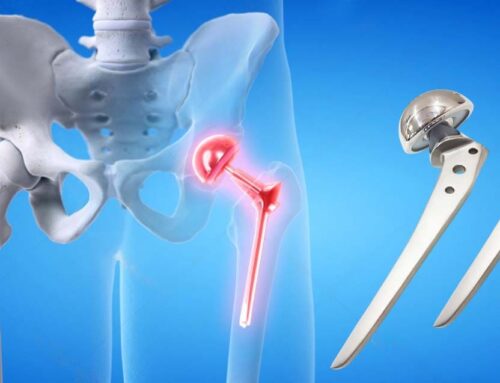
It typically consists of two main components:
- The Acetabular Cup – placed in the pelvic bone to replace the hip socket.
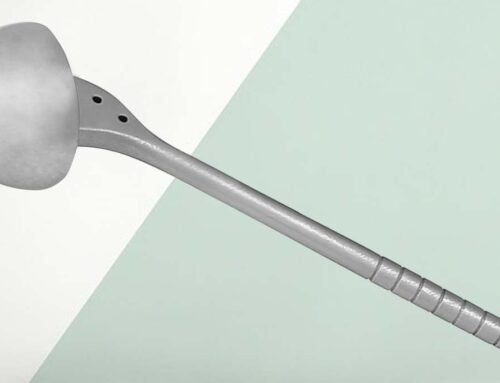
- The Femoral Stem and Head – inserted into the thighbone (femur) to act as the new ball-and-socket joint.
These implants are made from biocompatible materials such as titanium, stainless steel, cobalt-chromium alloys, and ceramics, ensuring strength, durability, and minimal risk of rejection.
Why is Hip Prosthesis Needed?
A hip prosthesis becomes necessary when:
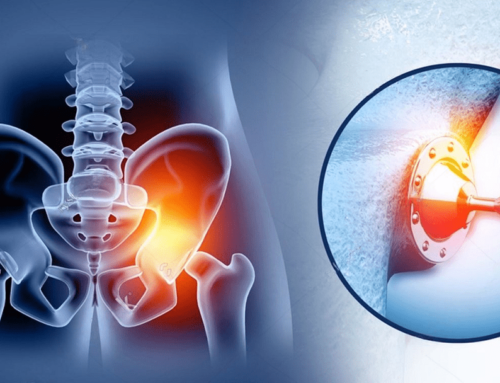
- Patients suffer from chronic hip pain that restricts mobility.
- Conservative treatments like physiotherapy or medication fail to provide relief.
- There are complex hip fractures that cannot be treated with simple fixation techniques.
- Joint deformities or degeneration make walking difficult.
The ultimate goal is to restore independence, mobility, and comfort to patients who struggle with daily activities due to hip issues.
Types of Hip Prostheses
Total Hip Prosthesis
- Involves replacing both the femoral head and the acetabulum (socket). This is the most common form of hip replacement surgery.
Partial Hip Prosthesis (Hemiarthroplasty)
- Only the femoral head is replaced, leaving the acetabulum intact. It is often used for elderly patients with femoral neck fractures.
Cemented Hip Prosthesis
- Fixed into the bone using bone cement. Provides immediate fixation, ideal for patients with weaker bone quality.
Uncemented Hip Prosthesis
- Uses a porous surface that allows bone to grow into the implant, offering long-term stability. Suitable for younger and more active patients.
Hybrid Prosthesis
- Combines both cemented and uncemented techniques, offering balanced fixation.
The Surgical Procedure for Hip Prosthesis
Hip replacement surgery is a stepwise and precise procedure that includes:
- Preoperative Planning – Assessment of bone quality, implant type selection, and surgical planning.
- Anesthesia and Incision – Either spinal or general anesthesia is used. The surgeon makes an incision to access the hip joint.
- Removal of Damaged Bone – Diseased cartilage and bone are carefully removed.
- Implant Placement – The acetabular cup and femoral stem with head are fixed in position.
- Fixation Method – Either cemented or uncemented technique is used depending on patient needs.
- Closure and Recovery – The incision is closed, and the patient is guided through rehabilitation exercises.
Benefits of Hip Prosthesis
- Pain Relief: Reduces chronic pain caused by arthritis, fractures, or deformities.
- Improved Mobility: Enables patients to walk, climb stairs, and resume normal activities.
- Durability: Modern implants last 15–20 years or more, offering long-term benefits.
- Better Lifestyle: Enhances independence and quality of life.
- Lower Complications: Advanced implant materials reduce infection risks and wear.
Role of Hip Prosthesis with Other Orthopaedic Implants
Hip prosthesis is not an isolated solution—it works alongside a range of orthopaedic implants and instruments to ensure complete trauma and joint care.
Locking Plates and Screws
- Used in fractures around the hip joint where internal fixation is needed before or along with prosthesis.
- Provide rigid fixation for osteoporotic bones.
Interlocking Nails – Tibia and Femur
- Essential in stabilizing long bone fractures of the thigh and leg.
- Often used in trauma patients who may also need a hip prosthesis after pelvic or femoral fractures.
Spine Implants and Instruments
- Many patients with hip issues also suffer from spinal conditions.
- Spine implants ensure correction of deformities and stability in complex cases.
ACL-PCL Implants and Instruments
- Related to knee joint stabilization.
- Patients undergoing hip replacement may also need ACL-PCL reconstruction to improve lower limb biomechanics.
Maxillofacial Implants and Instruments
- Trauma patients often suffer from multiple injuries, including facial fractures.
- Along with hip prosthesis, maxillofacial implants restore facial structure and function.
Large Fragment Implants
- Used in fixation of large bone fragments, especially in pelvic and femoral fractures associated with hip injuries.
General Instruments
- Standard surgical instruments are vital for ensuring precision during hip prosthesis surgeries.
Advances in Hip Prosthesis Technology
Modern innovations have greatly improved the outcomes of hip replacement surgeries:
- Minimally Invasive Surgery (MIS): Smaller incisions, less tissue damage, and faster recovery.
- Custom-Fit Implants: 3D-printed prostheses tailored to patient anatomy.
- Dual Mobility Cups: Reduce dislocation risks and improve joint stability.
- Biocompatible Materials: Titanium and ceramic offer greater durability and wear resistance.
Post-Surgery Rehabilitation
Recovery after a hip prosthesis procedure requires:
- Physical therapy to strengthen muscles and restore mobility.
- Assistive devices like walkers or canes during the initial recovery phase.
- Lifestyle modifications to protect the new implant.
- Regular follow-ups to monitor implant performance.
Conclusion
The hip prosthesis stands as a perfect solution for hip replacement issues, offering patients freedom from pain, improved mobility, and a better quality of life. Supported by a comprehensive range of orthopaedic implants and instruments—including locking plates and screws, interlocking nails (tibia and femur), spine implants, ACL-PCL implants, and maxillofacial implants—it reflects the advances in modern orthopaedic surgery.
By combining cutting-edge implant designs, innovative surgical techniques, and high-quality instruments, surgeons can ensure that patients achieve the best surgical outcomes and long-lasting results.
Hip prostheses are not just implants—they are life-changing solutions for patients across the globe.



Leave A Comment