


Orthopaedic surgery relies heavily on precision, stability, and effective fixation techniques to ensure successful outcomes. Whether treating fractures, reconstructing bones, or stabilizing joints, surgeons must have access to the right implants and instruments to achieve the best results. Among these essential devices, the cancellous screw stands out as a perfect solution for fixating issues during surgery procedures.
Cancellous screws are one of the most widely used fixation devices in trauma and reconstructive surgeries. Designed specifically for the spongy, cancellous bone found in areas like the metaphyseal regions of long bones, these screws provide superior grip, stability, and compression. Their unique design and versatile applications make them indispensable in the field of orthopaedic implants.
In this article, we will explore the role of cancellous screws in surgery, their design and benefits, their applications, and how they integrate with other orthopaedic solutions such as spine implants, locking plates, ACL-PCL implants, and more.
Understanding Cancellous Screws
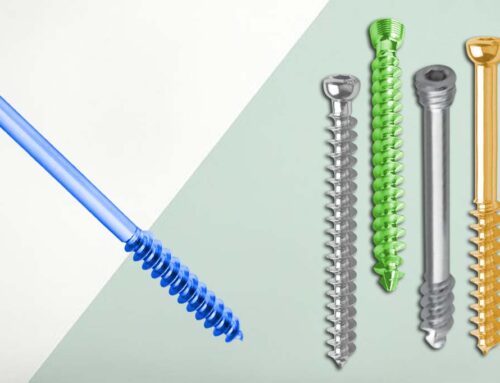
Cancellous screws are specialized implants designed to fixate fractures in areas of bone that are less dense but rich in trabecular (spongy) tissue. Unlike cortical screws, which are intended for dense cortical bone, cancellous screws feature deeper threads that allow better purchase in the softer cancellous bone.
Key Features of Cancellous Screws:
- Deeper Threads: Provide maximum grip in spongy bone.
- Large Thread Pitch: Helps distribute force effectively.
- Partially Threaded Options: Useful for achieving compression across a fracture line.
- Self-Tapping and Cannulated Versions: Allow easy insertion with minimal bone damage.
- Biocompatible Materials: Typically manufactured from medical-grade stainless steel or titanium.
These features make cancellous screws highly adaptable for trauma care and orthopaedic reconstruction.
Importance in Orthopaedic Surgery
Fixation is a critical step in any orthopaedic surgery. Without proper stabilization, fractures may fail to heal, leading to complications such as malunion, nonunion, or loss of function. Cancellous screws are particularly effective in addressing these issues because:
- They provide strong anchorage in weaker bone regions, ensuring reliable fixation where cortical screws may fail.
- They allow for controlled compression across fracture sites, which accelerates healing.
- They can be combined with plates, rods, or other implants for enhanced stability.
- They are versatile and can be used in multiple anatomical regions, including the hip, shoulder, knee, and ankle.
Applications of Cancellous Screws
Cancellous screws are used in a wide range of orthopaedic procedures:
Fracture Fixation in Metaphyseal Bone
- Cancellous screws are particularly useful for stabilizing fractures in areas like the distal radius, proximal humerus, tibial plateau, and distal femur.
Hip Surgery
- In femoral neck fractures, cannulated cancellous screws are the gold standard for fixation. They allow minimal invasive insertion while providing strong stability in the cancellous-rich femoral head.
Spinal Surgery
- Although specialized spine implants like pedicle screws dominate spinal fixation, cancellous screws also play a supportive role in securing grafts or supplementary fixation.
Joint Reconstruction
- Cancellous screws are used to secure osteochondral fragments, stabilize bone grafts, and assist in reconstructive surgeries around major joints.
Paediatric Orthopaedics
- Due to their adaptability, cancellous screws are also used in children’s fracture fixation, especially in growth plate–sparing procedures.
Design Variants of Cancellous Screws
Over time, cancellous screws have evolved into several specialized designs:
- Cannulated Cancellous Screws – Hollow design allows placement over a guide wire for precise insertion.
- Partially Threaded Screws – Provide compression by pulling fractured segments together.
- Fully Threaded Screws – Offer uniform fixation without compression.
- Headless Cancellous Screws – Used where minimal prominence is required, especially in small bone fixation.
These design variations make cancellous screws versatile in both trauma and elective orthopaedic surgeries.
Integration with Other Orthopaedic Implants
Cancellous screws are rarely used in isolation; they are often combined with other orthopaedic implants to achieve optimal outcomes.
Locking Plates
- Cancellous screws are used alongside locking plates to provide dual stability. While the plate offers overall structural support, the cancellous screw ensures firm anchorage in weaker bone segments.
Spine Implants
- In spinal surgeries, cancellous screws may supplement pedicle screw systems and interbody fusion devices by stabilizing grafts and securing bone segments.
ACL-PCL Implants
- In knee reconstruction surgeries, cancellous screws may be used to fix grafts, working hand in hand with ACL-PCL implants for ligament stabilization.
Large Fragment Implants
- In major trauma surgeries involving long bones, cancellous screws are often used in conjunction with large fragment implants to improve fixation at metaphyseal ends of bones.
This integration highlights how cancellous screws complement a wide variety of orthopaedic implants, making them essential in the surgical toolkit.
Comparison: Cancellous Screws vs Cortical Screws
Both cancellous and cortical screws are vital in orthopaedic surgery, but they serve different purposes.
Cancellous Screws
- Designed for spongy bone
- Larger, deeper threads
- Better grip in metaphyseal regions
- Ideal for fractures near joints
Cortical Screws
- Designed for dense cortical bone
- Smaller, fine threads
- Strong hold in diaphyseal regions
- Used for shaft fractures
Often, both types are used together in fixation systems depending on the anatomy and fracture type.
Benefits of Using Cancellous Screws
Superior Anchorage in Spongy Bone – Ensures reliable fixation where cortical screws cannot.
Enhanced Compression – Promotes faster and stronger bone healing.
Versatility – Applicable in multiple anatomical regions.
Compatibility with Other Systems – Works well with plates, rods, and other implants.
Reduced Surgical Complexity – Cannulated options allow minimally invasive and precise insertion.
Challenges and Considerations
While cancellous screws are highly effective, surgeons must consider:
Bone Quality: Poor bone density may reduce fixation strength.
Screw Size and Design: Choosing between fully threaded, partially threaded, or cannulated is critical.
Risk of Loosening: Especially in osteoporotic patients, where additional implants like locking plates may be necessary.
Infection Control: As with all implants, strict sterilization and surgical protocols must be followed.
Advances in Cancellous Screw Technology
Modern innovations have enhanced the performance of cancellous screws:
- Titanium Alloys – Lightweight, biocompatible, and corrosion-resistant.
- Headless Designs – For aesthetic and functional benefits in small bone fixation.
- Bioabsorbable Screws – Resorbable implants for pediatric and sports injuries, eliminating the need for removal.
- Surface Coatings – Antibacterial and osteointegrative coatings improve healing outcomes.
These innovations ensure cancellous screws remain relevant in advanced orthopaedic surgeries.
Role in Patient Outcomes
When used appropriately, cancellous screws significantly improve surgical outcomes:
- Faster healing times
- Reduced risk of implant failure
- Restoration of joint mobility and function
- Long-term stability
- Minimally invasive treatment options
By ensuring precise fixation, cancellous screws contribute to improved quality of life for patients recovering from fractures or reconstructive surgeries.
Conclusion
In the realm of orthopaedic implants, the cancellous screw is a cornerstone solution for addressing fixating issues during surgery procedures. Its design, adaptability, and ability to secure fractures in spongy bone regions make it indispensable for trauma and reconstructive surgeons worldwide.
From hip fractures to spinal stabilization, and from joint reconstruction to pediatric orthopaedics, cancellous screws prove their versatility time and again. Moreover, when used in combination with spine implants, locking plates, ACL-PCL implants, and large fragment implants, they form part of a comprehensive fixation system designed to deliver the best surgical outcomes.
As surgical techniques advance and implant technology evolves, cancellous screws will continue to play a critical role in restoring mobility, stability, and function for patients. Truly, they are the perfect solution to fixating issues in orthopaedic surgery.

Leave A Comment